 Request a Consultation
Menu
Freight coordination
Freight coordination that keeps commercial shipments moving
Responsive support connecting freight movement, local receiving, warehousing, and the final project destination.
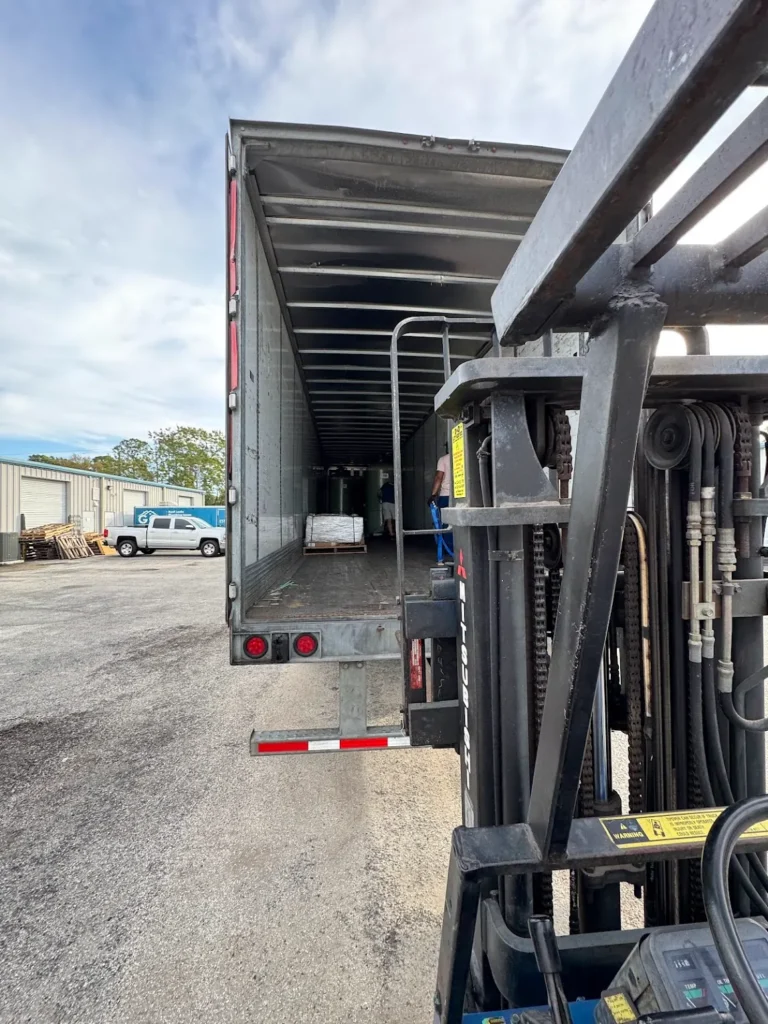
Why the details matter
A freight move is only useful when every handoff supports the destination plan
Tropic Logistics helps commercial clients coordinate shipment information, receiving readiness, local storage needs, and final delivery. Carrier and routing requirements are reviewed for each scope so responsibilities remain clear.

Connecting global movement to local execution
Freight coordination works best when the destination plan starts before arrival
International and regional freight can involve ocean, air, full-truckload, less-than-truckload, intermodal, customs, drayage, local receiving, and final delivery partners. Tropic helps define the commercial handoffs around those movements while the appropriate licensed providers remain responsible for regulated freight activities.
Mode and routing requirements
Gather cargo details, origin, destination, timing, and service priorities so the appropriate freight path can be discussed.
Documentation and responsibility mapping
Clarify which party owns carrier booking, customs, brokerage, duties, documentation, receiving, and exception management.
Arrival and local receiving readiness
Connect port, terminal, carrier, or regional arrival information to the party and location prepared to accept the freight.
Warehousing and distribution handoff
Plan whether goods move directly onward, enter temporary storage, require staging, or release in multiple phases.
Final destination coordination
Align local delivery appointments, site access, placement expectations, and project contacts with the larger freight schedule.
What we coordinate
Support for the next workable step
Every scope starts with the project requirements, not a one-size-fits-all handoff.
Shipment visibility
Organize the information needed to understand status and prepare the next handoff.
Receiving readiness
Connect inbound freight timing with the team and location receiving it.
Local coordination
Bridge freight arrival, warehousing needs, and destination scheduling.
Scope clarity
Define carrier, customs, receiving, and delivery responsibilities before work begins.
How we work
A clear path from scope to destination
Listen
Start with the goods, timing, site, priorities, and known constraints.
Map
Define the responsible parties, sequence, and information each handoff needs.
Coordinate
Keep the plan visible as real project conditions and schedules evolve.
Useful answers
Questions, answered clearly
Start here, then tell us what is specific to your site, schedule, and project.
What freight support does Tropic Logistics provide?
Support is scoped around shipment coordination, receiving readiness, local warehousing, and destination delivery needs.
Do you handle customs brokerage?
Brokerage and customs responsibilities are confirmed case by case with the appropriate parties before a project begins.
Can freight move into storage before delivery?
Yes, when receiving and warehousing are included in the agreed project scope.
What details help with a freight request?
Share the origin, destination, shipment type, dimensions or volume, target dates, and any known carrier or customs information.
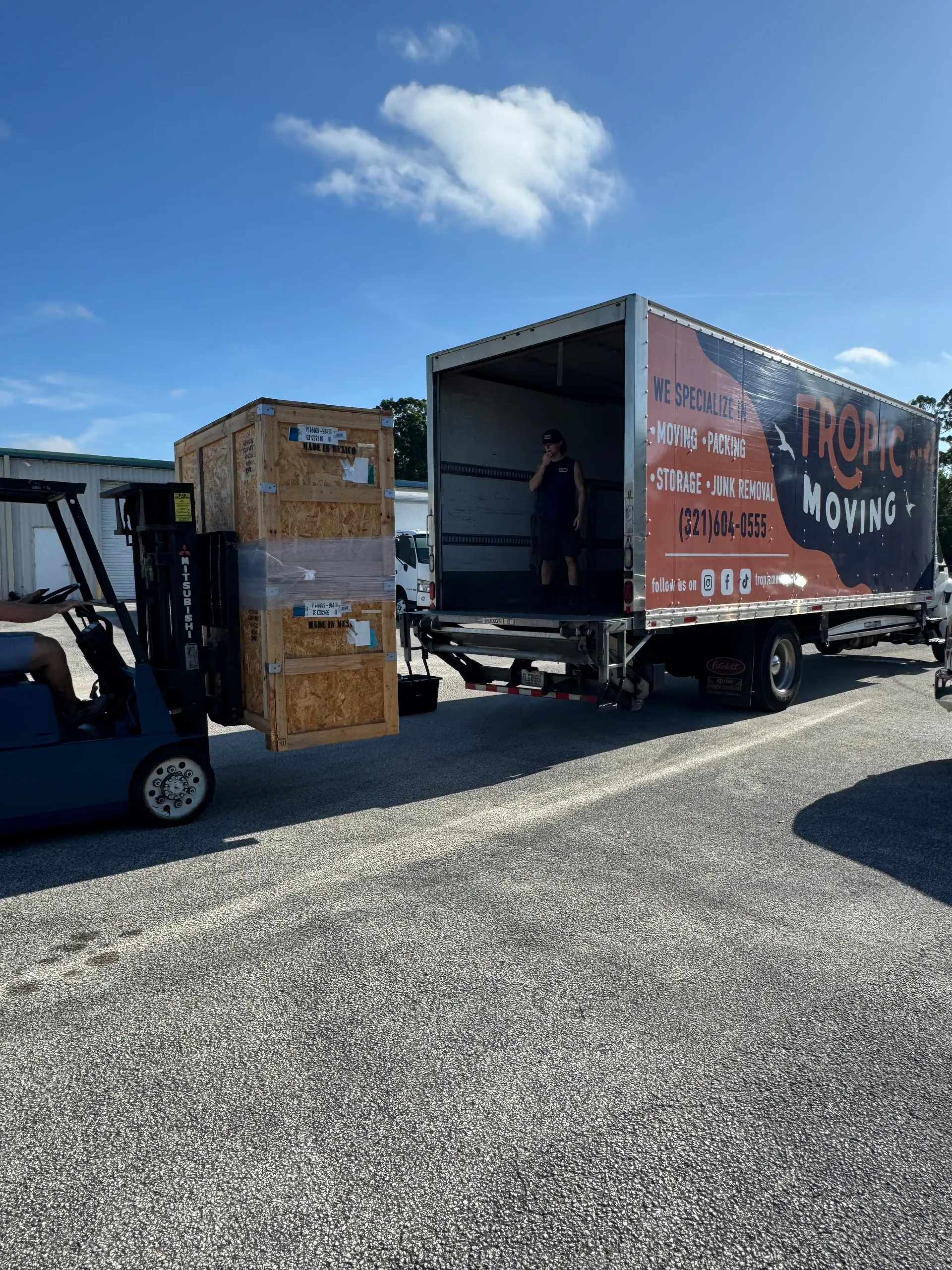

Let’s build a logistics plan around what comes next
Tell us what you are coordinating, storing, receiving, or delivering. Our team will help you find a practical path forward.