Key takeaway
FF&E logistics protects the project between vendor shipment and final placement by creating visibility, organized storage, and a coordinated installation-day release.
What does FF&E mean?
FF&E stands for furniture, fixtures, and equipment: the movable, non-structural assets that make a commercial environment usable. Office seating, reception desks, hotel furnishings, exam tables, display units, artwork, equipment, and many other project items can fall within this category.
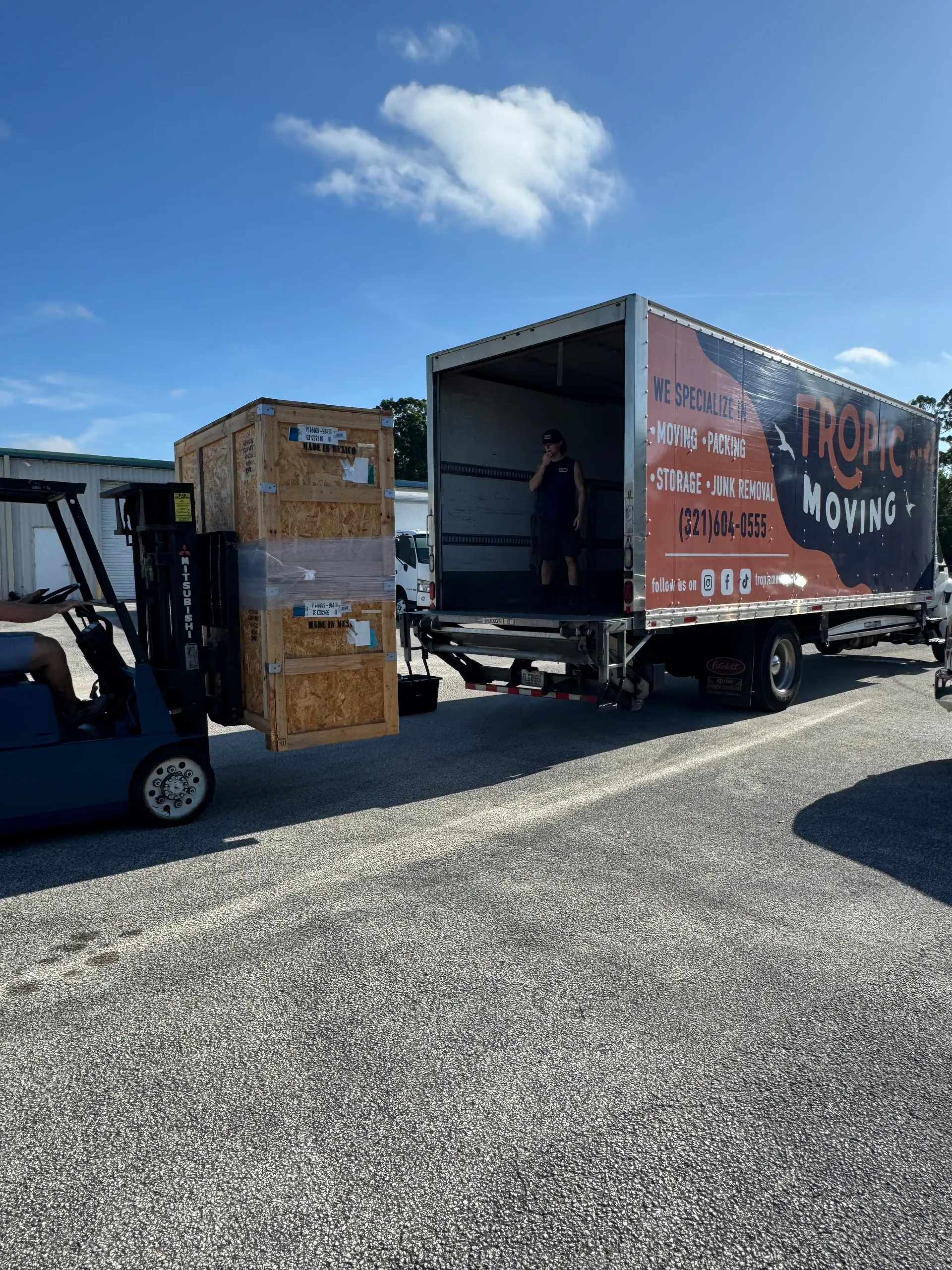
These goods often come from multiple vendors and require more care than a standard pallet dropped at a dock. FF&E logistics connects receiving, condition communication, inventory organization, storage, delivery, placement, and installation coordination.
Furniture, fixtures, and equipment in practice
The exact scope varies by project, but the three groups often include the following:
- Furniture: workstations, chairs, casegoods, conference tables, lounge seating, patio furniture, and hospitality furnishings.
- Fixtures: window treatments, decorative lighting, signage, artwork, acoustic panels, mirrors, shelving, and display units.
- Equipment: commercial displays, conference technology, breakroom appliances, fitness equipment, exam tables, point-of-sale systems, and other specialized assets.
Why projects use an FF&E receiving warehouse
Large projects rarely receive everything on one day. Construction can still be active while furniture and equipment arrive from different vendors. Direct-to-site shipping forces the project to accept each supplier schedule, even when the building is not ready.
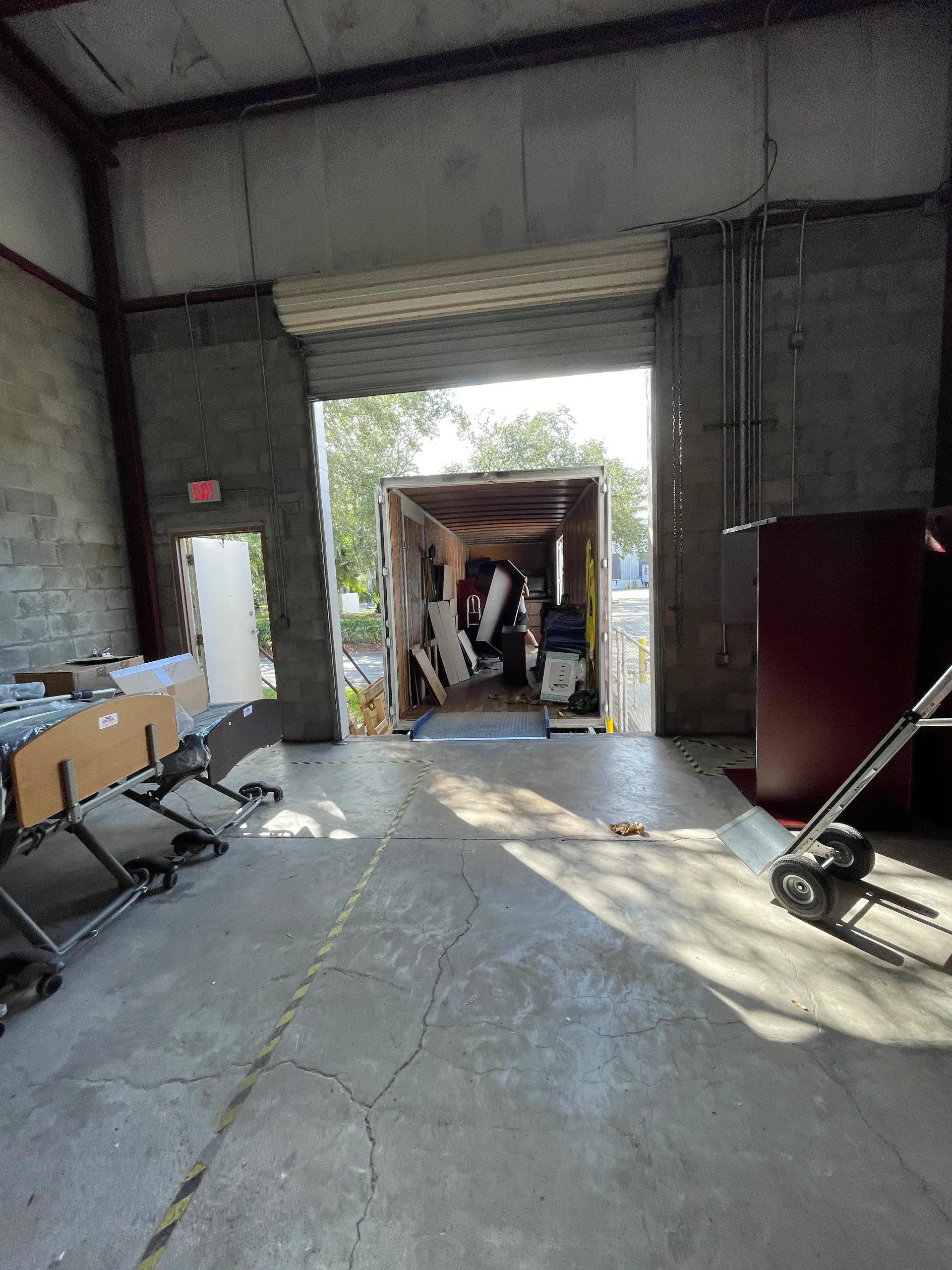
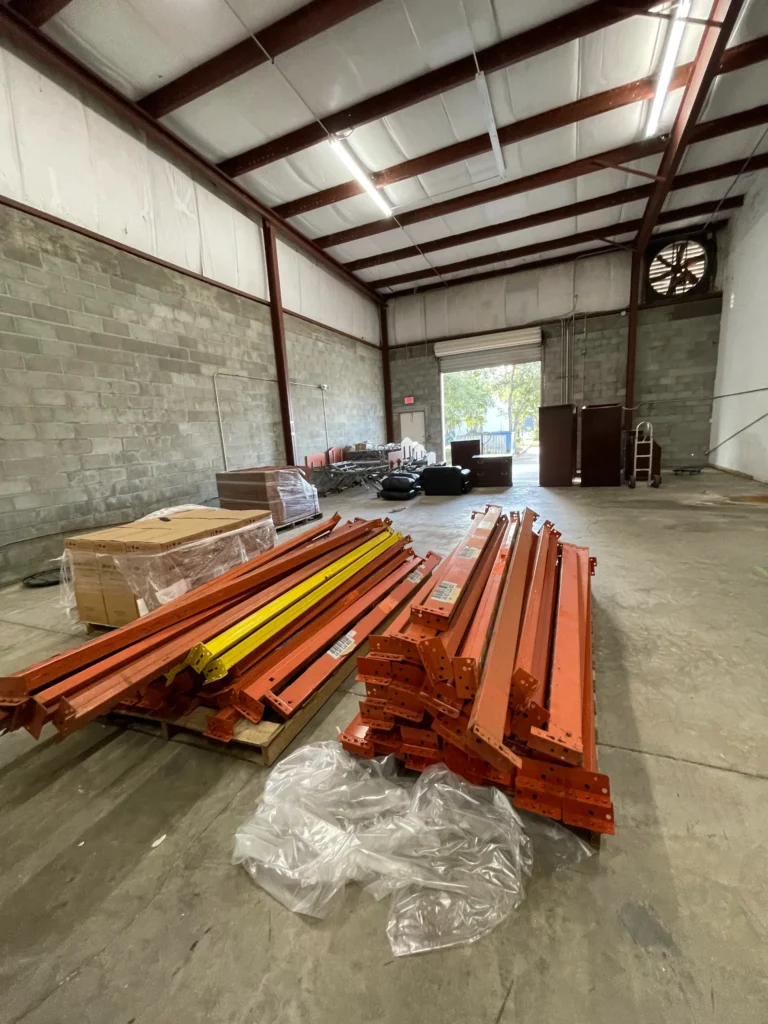
A receiving warehouse separates inbound arrivals from the final installation schedule. Items can be logged, associated with the correct project, held in organized storage, and prepared for a phased or consolidated delivery when the destination is ready.
Condition communication and inventory control
Receiving should define what will be counted, photographed, opened, inspected, and reported. Standard pallet receiving and detailed white-glove inspection are different scopes, so the project team should agree on the required level before shipments begin.
After intake, clear identifiers connect each item to its vendor, purchase order, room, phase, or client. That organization makes it easier to locate a specific piece, audit an upcoming release, and avoid mixing goods between projects.
From storage to installation day
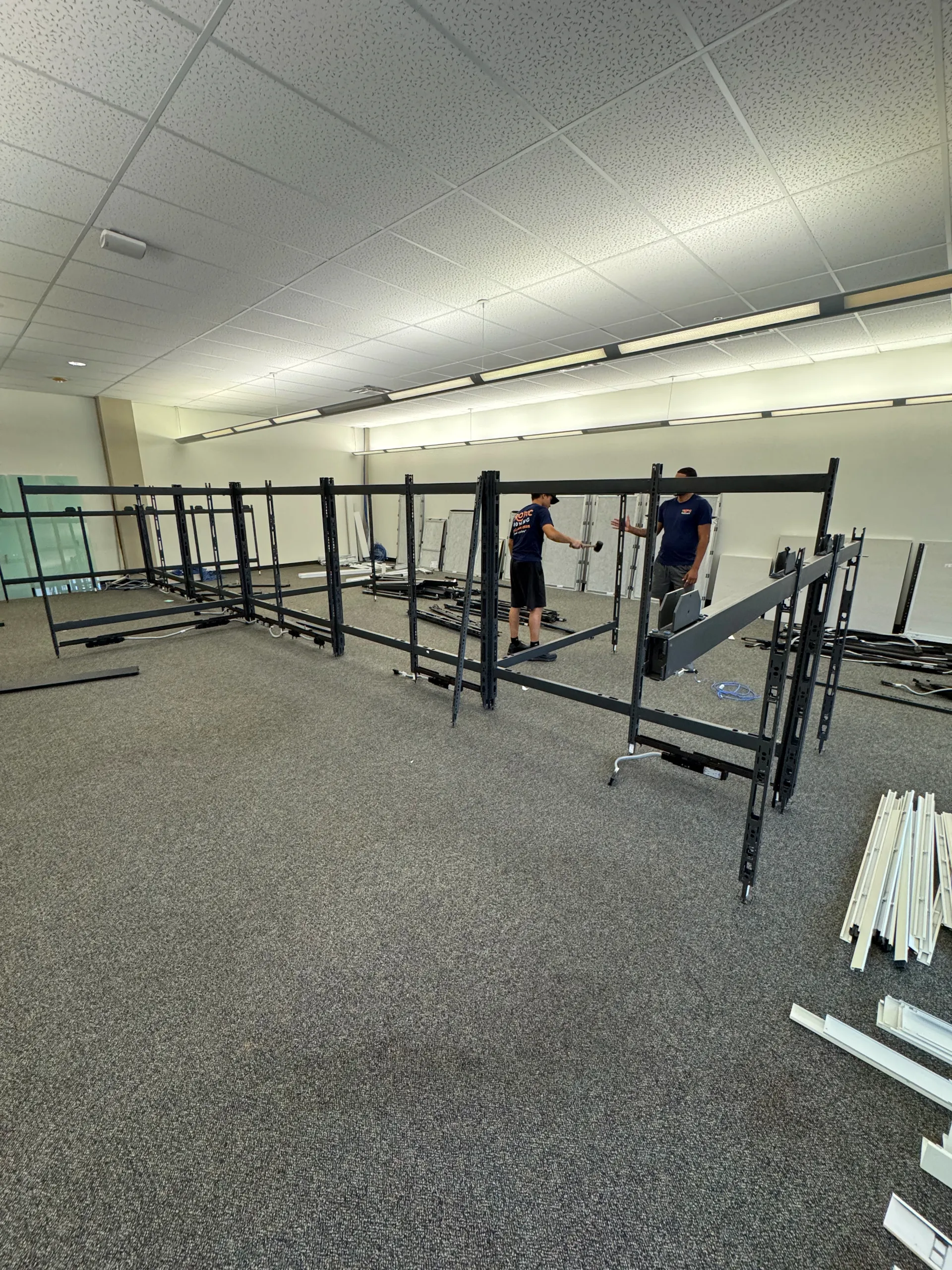
Installation day is a coordination event, not simply a delivery date. Dock and elevator reservations, building protection, crew access, room readiness, trade schedules, placement plans, assembly responsibilities, and debris handling can all affect the outcome.
A project manager can connect office-side planning with an on-site lead who manages the physical sequence. Specialized electrical, plumbing, systems-furniture, or other licensed work should remain assigned to the appropriate qualified provider.
Common FF&E planning mistakes
Projects become more predictable when the scope addresses the most common gaps before goods begin moving.
- Treating freight delivery and white-glove FF&E service as the same thing.
- Shipping directly to an active site without a verified receiving plan.
- Leaving damage documentation, inventory labels, or reporting expectations undefined.
- Skipping a site walk when access or placement is complex.
- Comparing rates without comparing labor, equipment, protection, placement, and closeout responsibilities.
Frequently asked questions
What is the difference between standard freight receiving and white-glove receiving?
Standard receiving usually confirms and stores packaged freight. A white-glove scope may include unboxing, closer condition review, photo documentation, protective rewrapping, and preparation for placement.
Why not ship FF&E directly to the jobsite?
Direct shipping can work when the site is fully ready. A receiving warehouse is useful when vendor dates, construction, storage space, and installation timing do not line up.
Can FF&E be organized by room or project phase?
Yes. Goods can be grouped around room, floor, department, vendor, phase, or another project identifier supplied by the client.
How early should logistics planning begin?
Begin before the first vendor shipment whenever possible so receiving rules, reporting, warehouse space, access, and the final release plan can be established.
Turn the guidance into a workable plan
Share the goods, origin, destination, timing, and site conditions. Tropic Logistics will help identify the next practical handoff.