Key takeaway
Commercial warehousing is most useful when it is connected to receiving, inventory visibility, transportation, and the project schedule, not treated as space alone.
The need for commercial logistics in Brevard County is at an all time high in 2026. Between the growth of the aerospace industry and defense contractors, Port Canaveray, Orlando International Airport as well as the local health care scene with the new Health First hospital nearing completion in Merritt Island to Orlando Health jumping on the local health care scene more recently. The Space Coast continues to explode and needing support for all that comes with it.
Businesses are needing temporary warehouse space and transportation to support ongoing projects in the area. From recurring needs to receiving while a new construction project or commercial deal is completed.
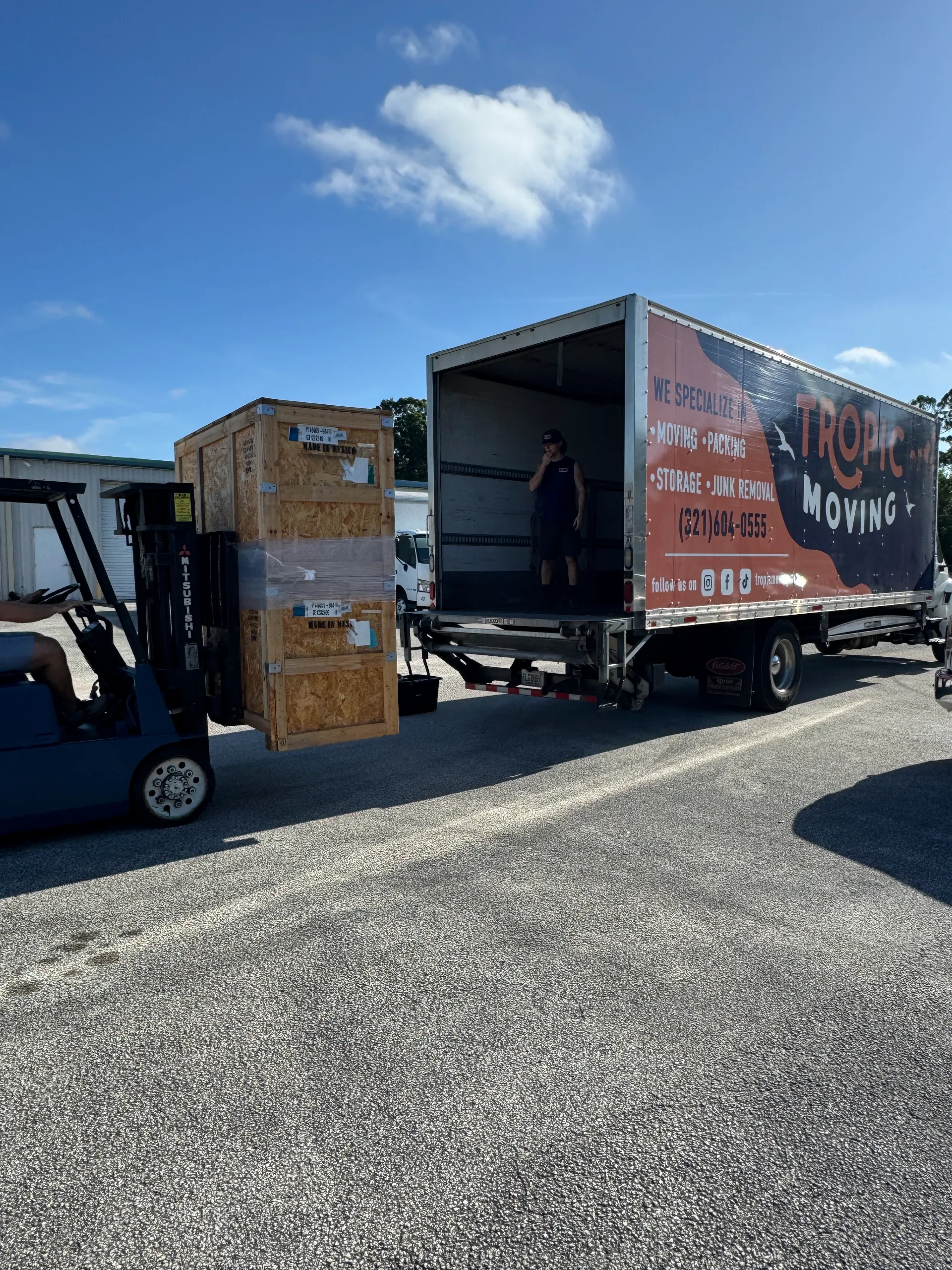
A perfect example is the new Health First Hospital being build. We have already supported delivering medical equipment to the new facility that came in from out of state and we assisted with the final mile delivery. This project will also need a lot of warehousing of items that need to be delivered as construction progresses to each different stages. From FF&E that will go in like counters, reception desks and cabinets to the medical beds and chairs for each room once construction nears completion. These projects are supported by local companies bridging the gap between manufacturer and final placement once the project calls for the items.
This complete guide explores the full scope of commercial warehousing and logistics solutions throughout Brevard County. We will also go into detail on the the key local industries driving demand in 2026. We will break down why partnering with an experienced regional logistics partner offers a strategic advantage, providing flexibility, speed, and specialized hands-on service that national freight carriers and distant third-party providers fail to deliver.
What Are Commercial Warehousing & Logistics Services?
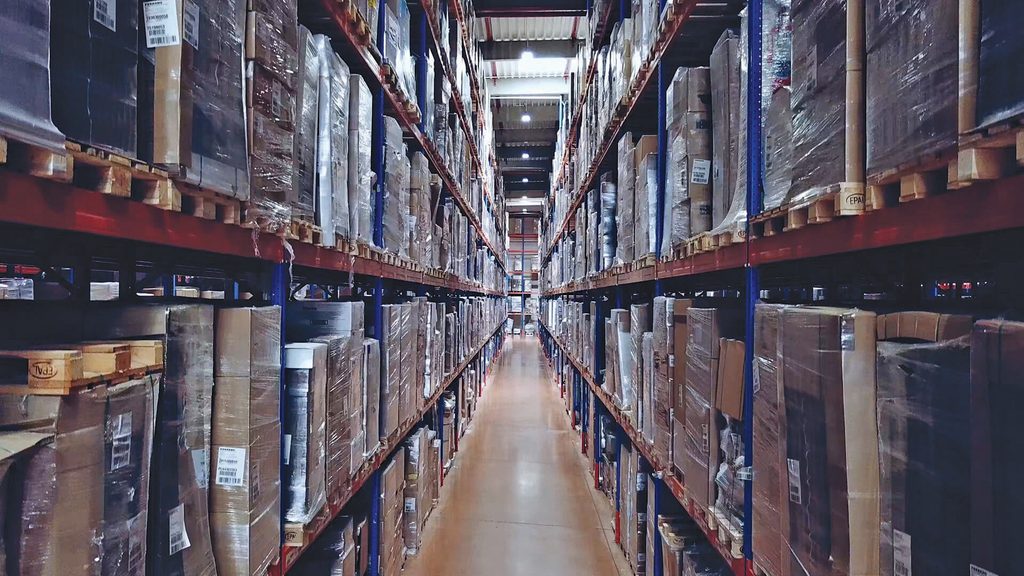
Commercial warehousing and logistics services help businesses manage products, materials, furniture, fixtures, and equipment throughout the different stages of a project or relocation. Unlike standard self-storage, commercial warehousing is typically an active part of the supply chain. The products aren’t just placed and stored int he warehouse, they can need as much as to be received, inspected, documented, organized, stored, staged, and ultimately delivered to their final destination.
Some of the most common needs for a commercial warehouse include temporary storage of specialty items and FF&E, inventory management for project support, as well as any other commercial receiving support and storage solutions. This is the biggest need when project orders are coming in before the space is ready for them. They currently dont have the space for the delivery where they are and need a logistics partner to receive, hold and then deliver and set up when the project is ready for the new product.
For example, an business may be moving into a larger facility and have furniture arriving from several manufacturers over the course of a few months leading up to the move in timeframe. A retail project may have fixtures and displays cases arriving before construction is complete on their storefront. A contractor or supplier may need materials temporarily stored and then delivered to the jobsite according to the project needs and timeline. Commercial warehousing provides a controlled point between the supplier and the final destination where those products can be essentially “on call” for when our clients need them to match up their timeline perfectly. .
What is Commercial Logistics
Commercial logistics takes the process beyond just the warehousing and storage. A commercial warehouse just intakes products and stores and fills orders for clients. At Tropic Logistics we are a full service commercial logistics company. That means we are not only operating a commercial warehouse but also have the support of skilled staff and trucks to get items delivered where they need to go and provide final placement and even white glove delivery to ensure a skilled final placement and set up of the product.
Commercial logistics typically includes at least one of the following for a project:
- Transportation: Moving products, materials, FF&E to suppliers, warehouses, businesses, and jobsites.
- Warehousing: Providing temporary or project-based storage while keeping products organized and accessible for delivery on our clients schedule.
- Distribution: Scheduling delivery on our clients schedule as well as inside placement and set up as requested.
- Receiving: Accepting incoming freight and deliveries into a commercial warehouse, documenting shipments, inspecting for visible damage, and organizing products for storage or upcoming projects.
- Installation: Providing assembly, placement, and installation of furniture, fixtures, and equipment whiting the scope of the project
- Project Coordination: Managing the timing and communication between receiving, storage, transportation, delivery, and installation so each stage of the project works together.
The advantage of combining these services from one company is flexibility. A business may only need a warehouse to receive and hold a shipment for a few weeks, while another project may require coordination from the moment products arrive through final delivery and installation.
Warehousing vs Commercial Storage
Although the terms warehousing and commercial storage are sometimes used interchangeably, businesses have several different options for storing and managing products. The right solution depends on what is being stored, how frequently products need to move in and out, and what additional services are required.
A business that simply needs extra space may benefit from a simple warehousing service where, typically a large volume of items are essentially being stored. Where as a business that has recurring freight delivery from different manufacturers, a need for their inventory to be managed and inspected for damages or help with deliveries and coordination with a larger relocation project falls under the need for commercial storage with logistics needs.
Understanding the differences between self-storage, warehouse storage, distribution centers, fulfillment centers, and commercial logistics providers can help businesses determine which solution best fits their needs.
Self-Storage: Self-storage is primarily just space rental with access essentially whenever you need it. The customer simply rents a unit, transports their own items to the facility, or hires help to transport the items, organizes the space, and returns when they need access to the items.This can work well for businesses that simply need additional space for records, equipment, supplies, or other items they can manage with their team. However, most self-storage facilities are not designed to actively receive commercial freight, inspect incoming shipments, manage inventory, or coordinate deliveries on behalf of the customer.
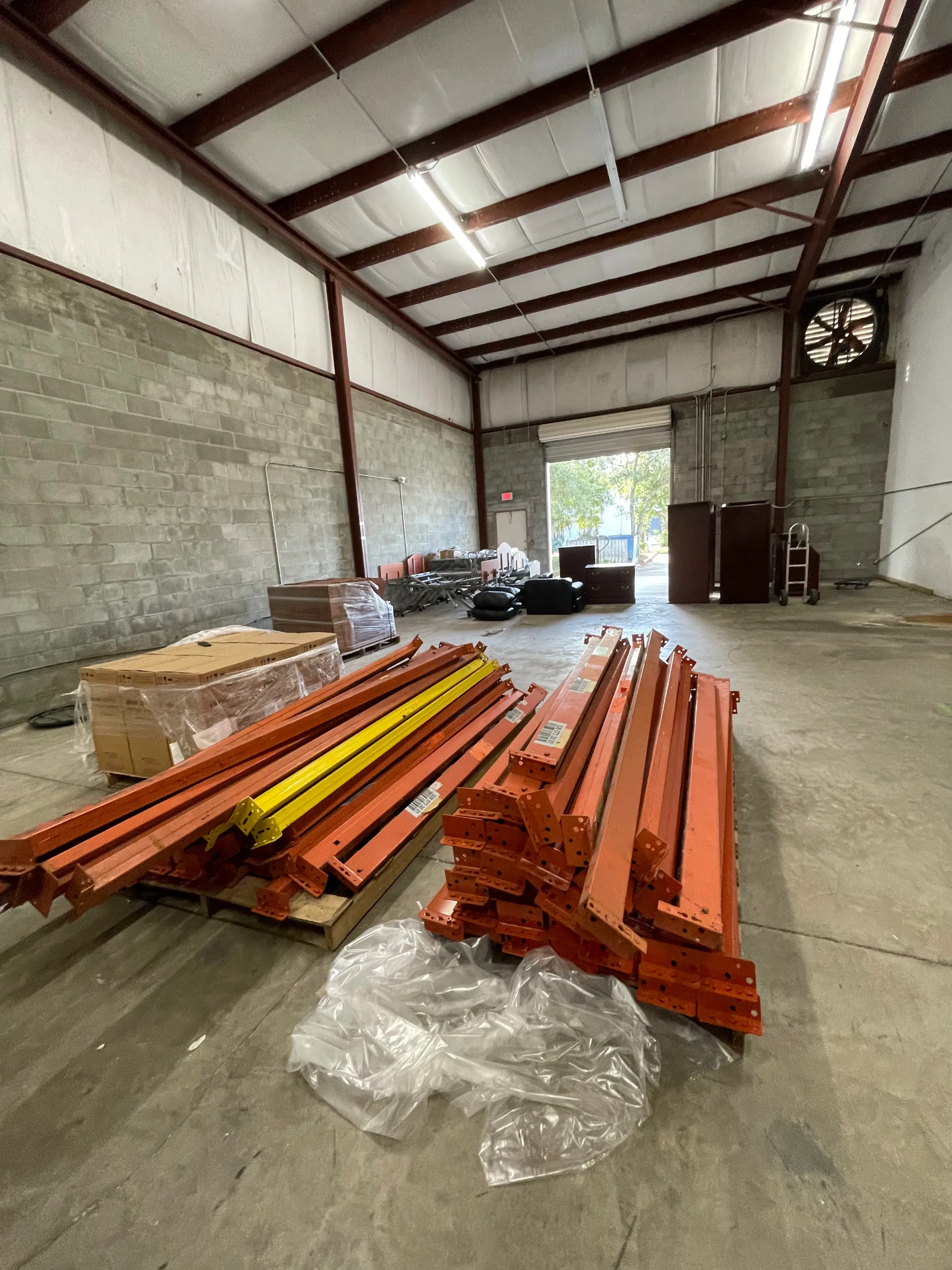
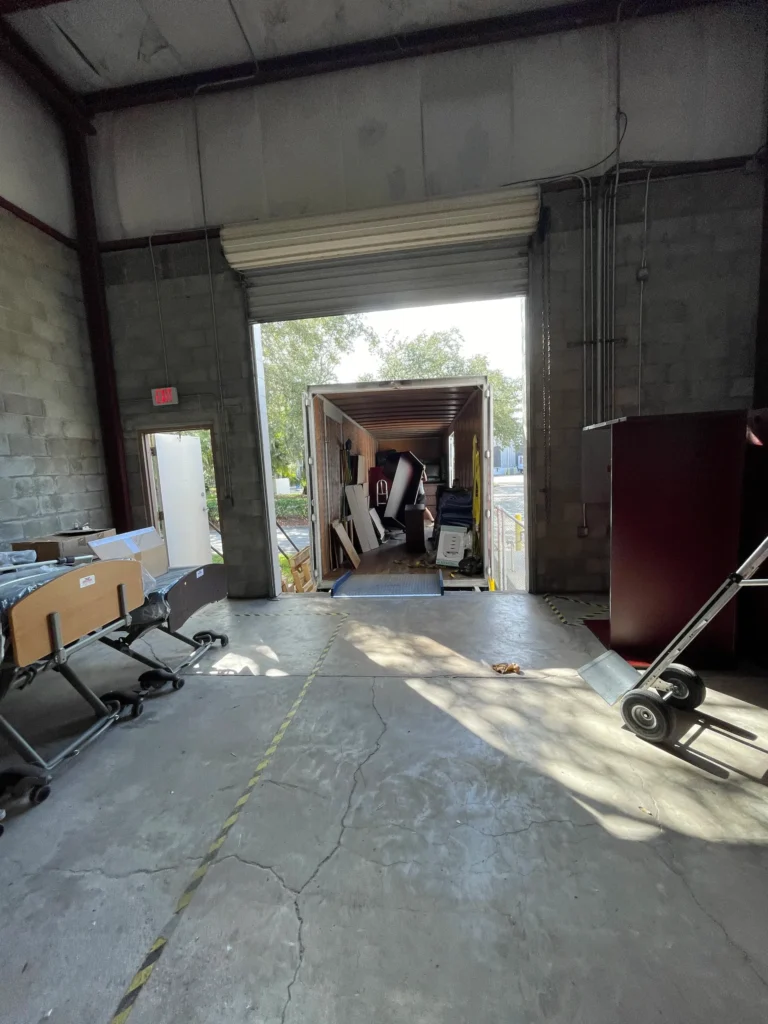
Warehouse Storage: Commercial warehouse storage is designed for larger quantities of commercial products, materials, pallets, furniture, or equipment. Unlike self-storage, warehouse personnel may be involved in receiving and handling incoming freight. Commercial warehouse services can include unloading shipments, documenting what was received, inspecting for visible damage, organizing products, storing items by project or customer, and preparing them for future pickup or delivery.
This makes warehouse storage particularly useful for FF&E, commercial furniture, construction materials, equipment, and project-based inventory that may need to be held temporarily before reaching its final destination.
Distribution Centers: A distribution center is designed around the movement of inventory rather than simply storing it. Products typically arrive in larger quantities and are then sorted, staged, and distributed to stores, customers, branches, or other facilities. Distribution centers are commonly used by manufacturers, wholesalers, retailers, and other businesses with an ongoing flow of inventory. The primary objective is efficiency and throughput—getting products received, processed, and back out to their next destination.
Fulfillment Centers: Fulfillment centers are most commonly associated with e-commerce and direct-to-consumer orders. A business sends inventory to the facility, and the fulfillment provider stores those products until individual customer orders are placed. The facility then picks the appropriate items from inventory, packs the order, creates the shipment, and sends it to the customer. This is generally referred to as pick, pack, and ship fulfillment and is different from project-based commercial warehousing or FF&E storage.
Commercial Logistics Providers: A commercial logistics provider can combine warehousing with the services required to manage products before and after storage. For example, furniture for a new office may arrive from several manufacturers over a period of weeks. A commercial logistics provider can receive those shipments, inspect and document the products, organize them by project, store everything until the site is ready, and then coordinate delivery, assembly, and final placement.
Instead of the warehouse being the final service, it becomes one step in a larger logistics process. This model is particularly useful for businesses that need flexibility. A project may require receiving and storage only, while another may require transportation, warehousing, inventory management, final-mile delivery, installation, and project coordination. For businesses managing FF&E, commercial furniture, equipment, construction materials, or other project-based products, the biggest question isn’t always “Where can we store this?” It is often “Who can manage this from the time it arrives until the time we need it?”
Businesses That Benefit From Commercial Logistics
Interior Designers
Interior designers need logistics when they are working on a project and having FF&E ordered and need it received, inspected and ready for delivery for a scheduled install date. As their logistics partner we fill the order, communicate and manufacturer defects or damages so the designer can replace them if needed before the install day, as well as storage until they are ready for it.
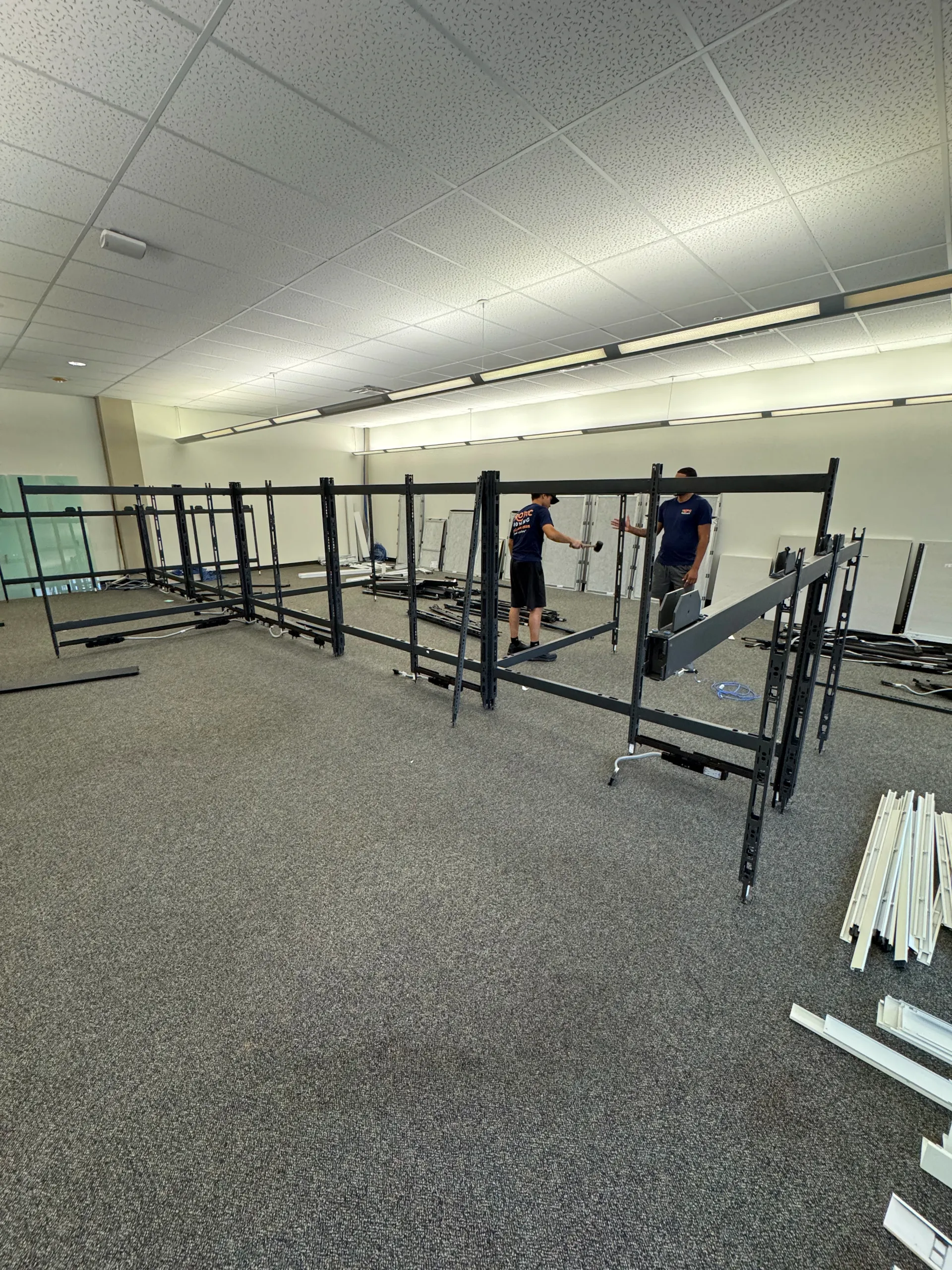
Once the scheduled install day arrives our team will deliver and get all of the new furniture placed and set up for them. If there is any debris left from packaging, our team will haul it off to leave the designer a clean jobsite to be ready for their reveal to the client once completed.
Commercial Contractors
With commercial contractors they are making materials orders for a project and the fulfillment doesn’t always match up perfectly with the project timeline. Sometimes a logistics partner is needed to receive and hold the goods until they are ready. This provided security for the shipment versus just delivering to an unsecure jobsite where their is a risk of leaving them there.
Contractors may also need help transporting bulky commercial equipment or specialty items from suppliers or warehouses to the jobsite. Many of these shipments will requires a box truck, liftgate, additional handling, or a two-person delivery team
Examples of commercial equipment and specialty items include:
- HVAC and mechanical equipment
- Commercial appliances and kitchen equipment
- Electrical equipment and components
- Cabinetry, fixtures, and millwork
- Job boxes and contractor equipment
- Retail displays and shelving
- Office and facility equipment
Healthcare
Healthcare facilities have logistics needs when deliveries and moving of equipment need to be coordinated around active operations. They require navigating limited access hours, meeting project timelines or even emergency situations we come across in Florida like having to evacuate Cape Canaveral Hospital due to barrier island evacuation orders.
They also include new FF&E coming in and needing set up or even just moving existing FF&E around a building or from one facility to another. For new healthcare facilities getting ready to open they can involve New FF&E that may arrive from multiple manufacturers before a medical office, clinic, or other healthcare space is ready for installation and need assistance to match up the the building timeline.
Healthcare logistics typically falls into one the following category:
- Medical equipment delivery and placement
- Office and waiting-room furniture installation
- FF&E receiving, storage, and staging
- Phased delivery for renovations and buildouts
- Medical office and administrative relocations
For healthcare projects, careful scheduling and communication are especially important. Having one local team coordinate receiving, storage, delivery, furniture installation, and relocation can reduce unnecessary handoffs while helping the project stay organized from initial receipt through final placement. Healthcare projects typically have a lot of staff involved and having clear coordination from a logistics provider is key to a high service level. We have dedicated project managers assigned to all healthcare projects to ensure proper communication and all details of a project are account for.
Property Management Companies
*Property management companies often coordinate improvements, repairs, and transitions across multiple properties and tenant spaces. A local logistics partner can help receive, store, and deliver furniture, fixtures, equipment, and materials as they’re needed, rather than having everything delivered directly to an active property.
Manufacturers
Many manufactures are great and producing and selling their product but run into delivery challenges and need a network to get the product to their clients. One of our current manufacturing clients produces a waste management product for Disney parks. Not only do they produce the product locally in Melbourne, Florida, but have to service them and keep them operating long term. We help them get their product delivered out as well as picked up so they can modify and maintain the product that may need to be picked up to come back into their facility. We provide crews and trucks to handle this so they can stay focused on their corporate relationship and their product while the logistics work operated seamlessly.
We also can also give manufacturers a local final-mile resource for products that require a scheduled delivery, additional handling, inside placement, or assembly rather than standard freight service. When dealing with large heavy items or technical assembly many times its too much for the party receiving the item and our team can quickly and easily handle this so the project is 100% complete upon delivery and set up properly.
Retail Businesses
Retail projects often involve furniture, fixtures, displays, shelving, and other FF&E arriving before a new store or renovated space is ready. A high quality commercial logistics partner is able to receive and warehouse items for retailers until the store is ready for them and deliver on schedule all at once to be installed.
There is also a surge in retail FF&E around the holidays when you see pop up holiday displays in malls and halloween shops popping up around town. These retails need someone to store the shelving and product during their off season to be able to quickly set up and break down for their seasonal operations. Think of retailers like Spirit Halloween which sets up for a couple months or so each year, it all needs to be set up, broken down and stored around there season business.
Common retail logistics needs include:
- Retail, fixture and display receiving
- FF&E storage, delivery, and installation
- Shelving, display counters, and furniture assembly
- Inventory and overflow storage
- Seasonal inventory storage and distribution
- Store opening, renovation, and rollout support
Corporate Offices
Corporate offices often need logistics support during relocations, renovations, expansions, and furniture upgrades. A commercial logistics partner can coordinate incoming office furniture, provide temporary storage, and schedule delivery and installation around the company’s timeline to help minimize disruption to normal operations. The single most important objective of commercial relocations is to minimize the downtime of the business during the transition. As a logistics partner our duty is to coordinate with all parties including and GC’s doing work on the new space, coordinating with management of the company relocating and replying updates and specifics to the delivery team to ensure the actually move and delivery to the new space is seamless.
Why Businesses Outsource Logistics
One of the top reasons businesses outsource logistics is to reduce their overhead. They have a variable amount of inventory each month and makes more sense to pay a logistics company just per shipment then to acquire the overhead of space and staff that it costs to manage it themselves. They are able to eliminate warehouse costs when they have a lower inventory and don’t need space while keeping the flexibility to accept new larger orders as they come in.
Avoiding hiring additional staff is another big one. Idle staff when inventory turn slows down can be a major expense that a logistics company lets you avoid. In addition to the obvious expense partners are also able to reduce the need for management and training of those employees to put back more of their time into tasks critical to client relationships and growing the business.
A professional team always ready to help your business creates faster more efficient project completion as well as provides an overall more professional and better experience for your client.
Common Commercial Logistics Challenges
When trying to handle logistics needs internally many challenges quickly arrive like vendor shipments arriving early and no one is present to accept them to taking up your entire warehouse and not having room to operate around. This leads to operational challenges for weeks or months sometimes until the product is needed.
A logistics company partner unlocks time and relieves stress of trying to coordinate and manage around all of this. There are not missed deliveries and a team is always ready to delivery your product once its processed and in the warehouse. That end of the business gets instantly streamlined.
Choosing the Right Commercial Logistics Partner
Choosing the right commercial warehousing & logistics partner depends on exact needs of your business. Some businesses just need orders filled and pallet receiving. Some need a more full service company that can provide white glove installation and have crews and trucks to handle labor on large deliveries.
At Tropic Logistics we designed our offering to be able to help all logistics needs. It it backed by the strength of Tropic Moving and the crews and truck support to complete delivery and install by industry professionals when it crosses over into that while also providing the commercial receiving and organization of a logistics partner. Were able to provide specialized warehousing for oversized items that require dedicated floor space to FF&E that needs to be inspected rewrapped and installed on a tight schedule. We have a decade of commercial experience in Melbourne Florida and know what it takes to make life easy for our business partners.
Frequently Asked Questions
What is commercial warehousing?
Commercial warehousing is receiving and storing commercial products, typically for businesses. This includes items such al pallets of materials like cabinets and windows or doors to Hospitality FF&E or retail FF&E. Items that need temporary storage until the business partner needs them to bridge the gap in the supply chain between the product being delivered and when it is needed for install.
What’s the difference between warehousing and storage?
Storage typically refers to a dedicated space for a shipment and typically sits long term. Warehousing is generally more for “products” that businesses need regularly and a higher turnover or coming in and going out. Warehousing also typically involves additional services such as receiving, inspecting, inventory management, order preparation, and coordinating deliveries to keep products moving efficiently through the supply chain.
Can a warehouse receive shipments for my business?
Yes. Tropic Logistics can receive commercial freight, palletized shipments, furniture, fixtures, equipment, and other approved products at our Melbourne, Florida warehouse. We can document incoming shipments, inspect for visible damage, organize inventory, and store products until they’re ready for pickup or final-mile delivery.
How long can inventory be stored?
Inventory can be stored as long as needed. If a project postpones or is bottlenecked its easy to extend storage as needed warehousing needs are billed as needed and meant to be flexible for changing business needs.
Can you coordinate multiple vendors?
Yes, part of the perks of using a logistics company is the easy of coordinating multiple vendors under one roof. We keep a dedicated account specialist to manage and ensure all aspects of your project are accounted for.
Do logistics companies install furniture?
Yes. FF&E receiving, inspection, storage and delivery/Install is a big part of logistics work. Typically handling FF&E for hospitality, retail as well as healthcare organizations is very common.
Can logistics companies deliver directly to jobsites?
Yes. At Tropic Logistics jobsite delivery is a major strength with out fleet of trucks backed though Tropic Moving.
What industries use commercial warehousing?
Commercial warehousing is most commonly used by manufacturers, distributors, retailers, construction suppliers, furniture and FF&E companies, medical suppliers, e-commerce businesses, and hospitality companies.
Turn the guidance into a workable plan
Share the goods, origin, destination, timing, and site conditions. Tropic Logistics will help identify the next practical handoff.