Key takeaway
FF&E logistics protects the project between vendor shipment and final placement by creating visibility, organized storage, and a coordinated installation-day release.
FF&E Receiving, Warehousing & Installation Explained: A Guide for Interior Designers, Hotels & Commercial Projects
In commercial logistics and warehousing a major industry term is “FF&E.” This is talking about furniture, fixtures and equipment. The term more specifically refers to a part of the logistics industry that is a specialized division dedicated to receiving, storing, delivering and sometimes even assembling, the non-structural, movable assets that commercial spaces require. It usually takes a higher level of care in handling and delivering and is not just standard freight on a pallet.
What is FF&E though? To put it in a short summery, FF&E is everything that makes a building functional. Reception area seating, reception desks, medial office exam tables and equipment. We manage the front end of this process by receiving, inspecting, and storing these items for general contractors, interior designers, hotels, and hospitals until the job site is ready for installation.
Who Needs FF&E
The most common industries that have FF&E needs is in Hospitality, Retail and Healthcare. These sectors are typically large and requiring large qualities of a product which scale projects and needs quickly. For example with the new Cape Canaveral hospital being build by Health First in Merritt Island, this project will have a large FF&E component in healthcare logistics, when it comes to filling the rooms, waiting areas and reception desks. The same it true for a hotel with hospitality logistics, when they are being built or even something as simple as replacing their beds. Then the same with retail logistics with their need to have items delivered as the store is built out for their eventual grand opening. These large facilities need a partner that can receive, coordinate and execute large scale projects in a timely manner.
What makes FF&E projects even more complex is that all of these items rarely arrive at the same time. Furniture, fixtures and equipment may come from several different manufacturers and suppliers, often arriving over the course of several weeks or even months. This creates the need for a local logistics partner that can receive shipments, inspect and document products, store them until the project is ready, and then coordinate delivery and installation around the project schedule. Instead of contractors, designers or facility managers trying to manage dozens of separate deliveries, a company like Tropic Logistics can act as one central point for receiving and coordinating the entire FF&E process.
Furniture
Furniture is the part most are familiar with. General office an furniture is received and handled. A large part of handling the furniture is inspection that it is received in good condition and pre-assembling items line chairs to ensure a quick and efficient delivery.
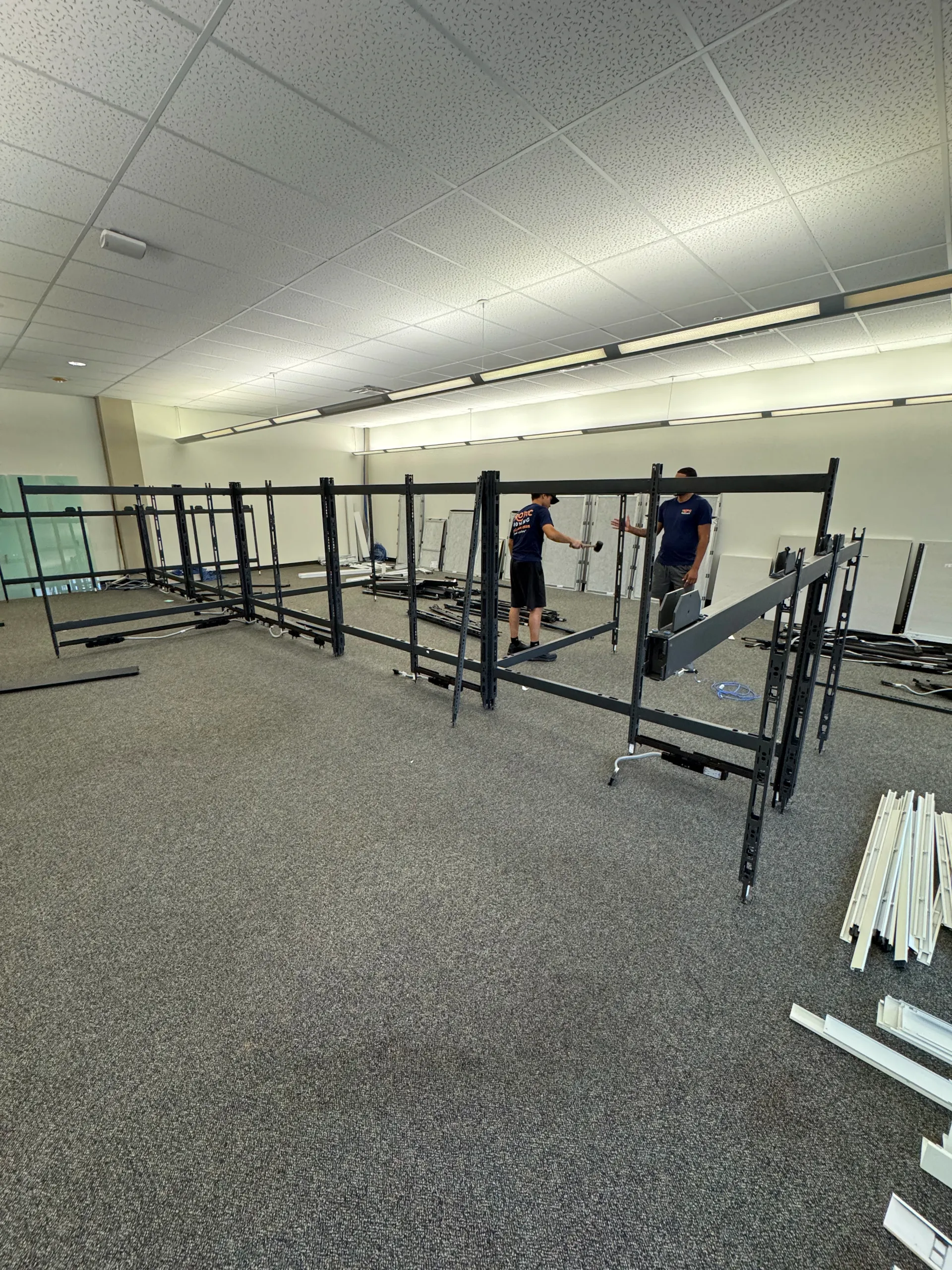
System Furniture & Workstations: Cubicles, bench systems, demountable glass partition walls, height-adjustable standing desks.
Seating: Ergonomic chairs, executive seating, lounge/reception furniture, stackable training chairs, conference room seating.
Casegoods & Desking: Private office suites, credenzas, bookcases, filing systems, conference tables and regular office and executive desks.
Outdoor & Hospitality: Patio sets, poolside loungers, outdoor dining setups for corporate courtyards or resort spaces.
Fixtures
Window Treatments: Commercial blinds, motorized shades, drapery, privacy curtains common in healthcare.
Decorative & Task Lighting: Wall sconces, pendant lights, floor lamps, chandelier installations (non-hardwired or handled with certified light-assembly crews).
Architectural Wall Decor & Signage: Wayfinding signage, framed artwork, acoustic wall panels, oversized mirrors, decorative wall panels.
Retail & Display Units: Shelving racks, garment displays, custom millwork counters, mannequin bases.
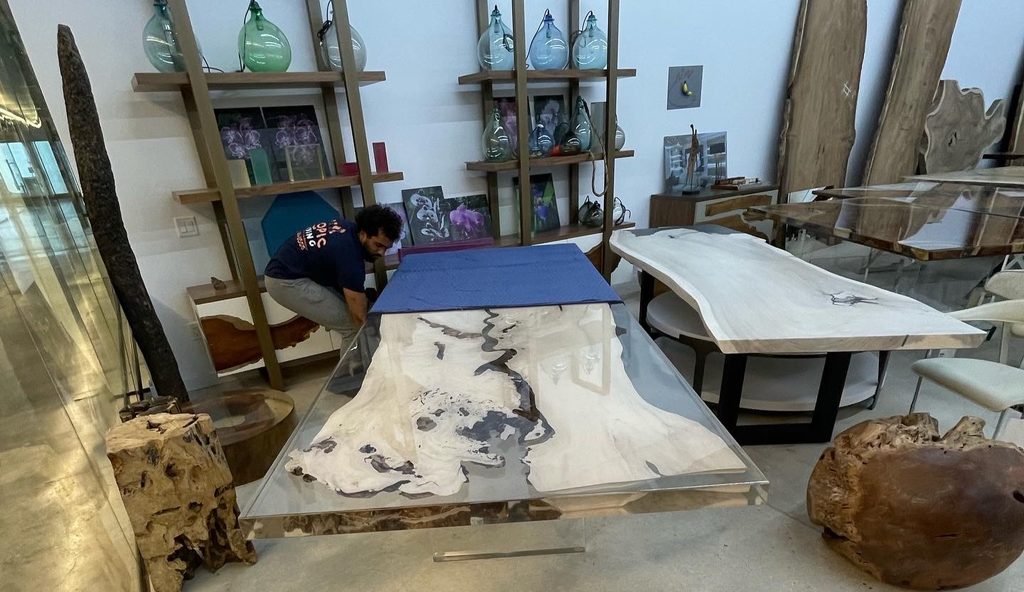
Fixtures typically are attached or anchored to the property but usually not permanent. They can typically be removed with no damage to the property itself.
Equipment
AV & Technology: Commercial displays/TVs, smartboards, video wall systems, conference room media hubs.
Breakroom & Commercial Appliances: Refrigerators, ice machines, microwave banks, espresso systems, commercial laundry units.
Fitness & Recreation: Treadmills, weight racks, multi-gym stations for apartment complex clubhouses or hotel gyms.
Specialized Industry Gear: Medical exam tables, salon stations, POS (Point of Sale) registers, security monitoring consoles.
We always work with certified professionals when installs require electrical or plumbing like large light fixtures or commercial appliance installation.
Why Receiving Warehouses Exist
When it comes to FF&E receiving and warehousing were typically helping with larger projects and coordinating procurement from many different vendors for an eventually install day. Often lining up with construction to furnish buildings like hotels and medical offices and construction to stay on a timeline to open as quickly as possible after a Certificate of Occupancy is issued. As the receiving warehouse we are able to intake and inventory items, verify their condition as well as prepare them for delivery and keep them safely stored until the order is filled and ready to deliver and install. We keep detailed records and a digital inventory of everything in our logistics warehouse so customers can have a real time update on their project at a glance.
As a logistics provider we have a team of professionals who specialize is receiving these items and know what to inspect for to ensure everything goes smoothly on install day. Our number one goal is to avoid issues on the install day that force items to be replaced reordered or force a second install that could delay the timeline. A great logistics partner is who you lean on to keep your projects on schedule. We handle the messy backend to get to install day which is close to the final step to opening a new building or for designers the “big reveal” from months and months of hard work and preparation.
Furniture receiving is usually for designers, hotels and new medical office and hospitals. These require a high volume of items with a need to hold. These projects are simply coordinating too many vendors and deliveries to receive directly onsite and no where to store them until needed. Our team of professionals is ready for delivery and handles this specifically to streamline large logistics projects.
Damage Inspection
One of the most critical FF&E receiving services is damage inspection. When items arrive our team inspects and inventories them. The inspection is looking for any damages that may have occurred from shipping that may effect the item. Sometimes replacements need to be ordered and this needs to be done in a timely fashion. Is claims aren’t made in a certain window sometimes that provide the opportunity to file a claim. Our service ensures this is done efficiently and quickly. Some inspections are a check for shipping damage and some inspections for designers are as thorough as fully unpacking inspecting and rewrapping for final deliver. This ensures there are no damages found by the client on the install day that can put a blemish on a big reveal. The damage inspection also includes quick and efficient damage reporting. This lets the client know as soon as possible of an issue for it to be addressed. We strive to complete our inspections as soon as possible to give our clients updates.
Inventory Management
In FF&E warehousing large companies are managing thousands of individual items in their warehouse and many of them are on a pallet or being stored by themselves. Having a company that is great at inventory management is critical to an efficient logistics partner. After items are received and inspected they are digitally inventoried and placed in storage. The orders are not always together in the same spot and certain items get stored in certain areas of the warehouse sometimes so items can easily get lost if not carefully inventoried. If inventory management is not sharp items easily get lost and this delays deliveries and timelines. Its critical that items can quickly be properly identified, located and pulled when needed.
Storage
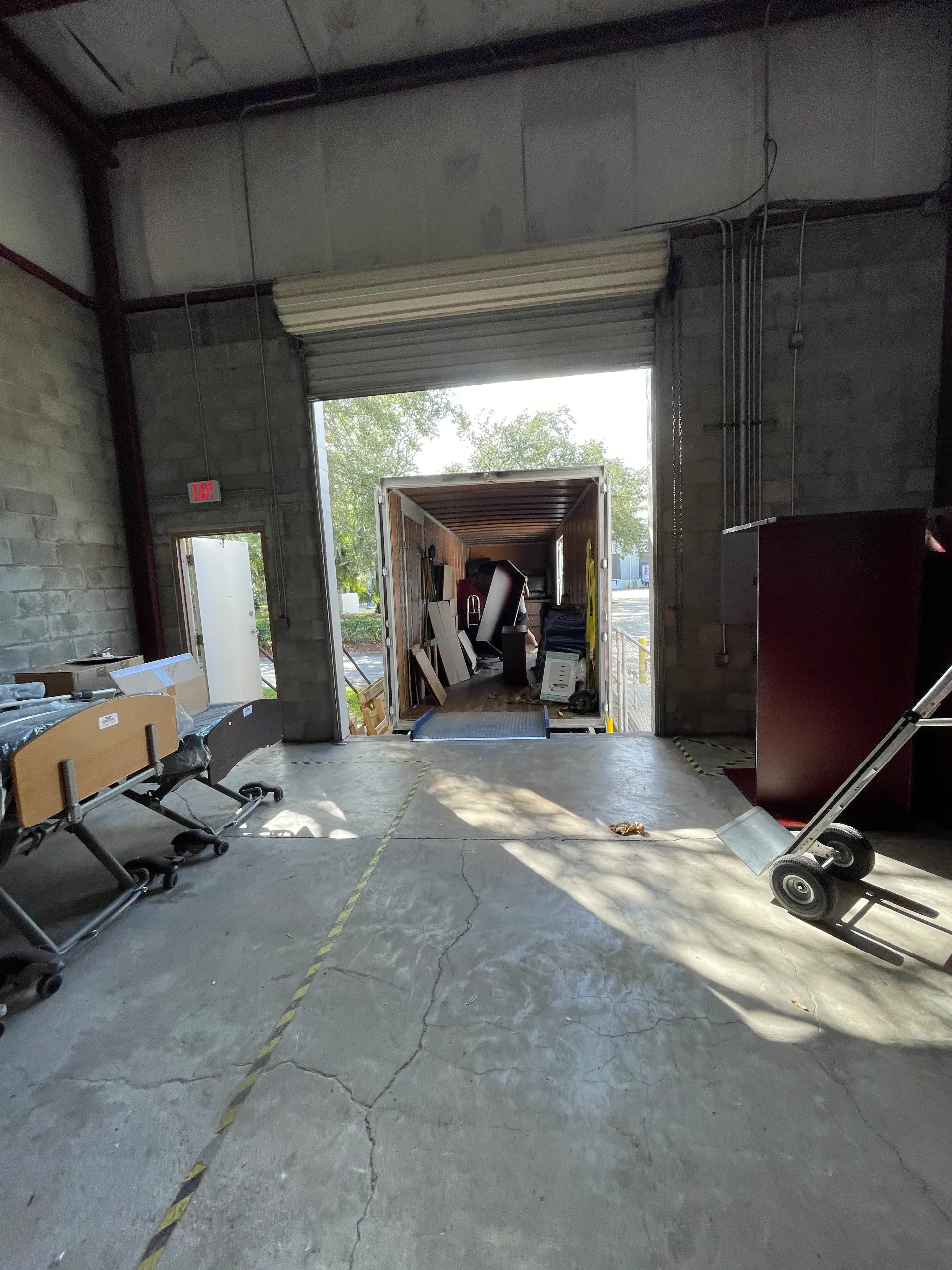
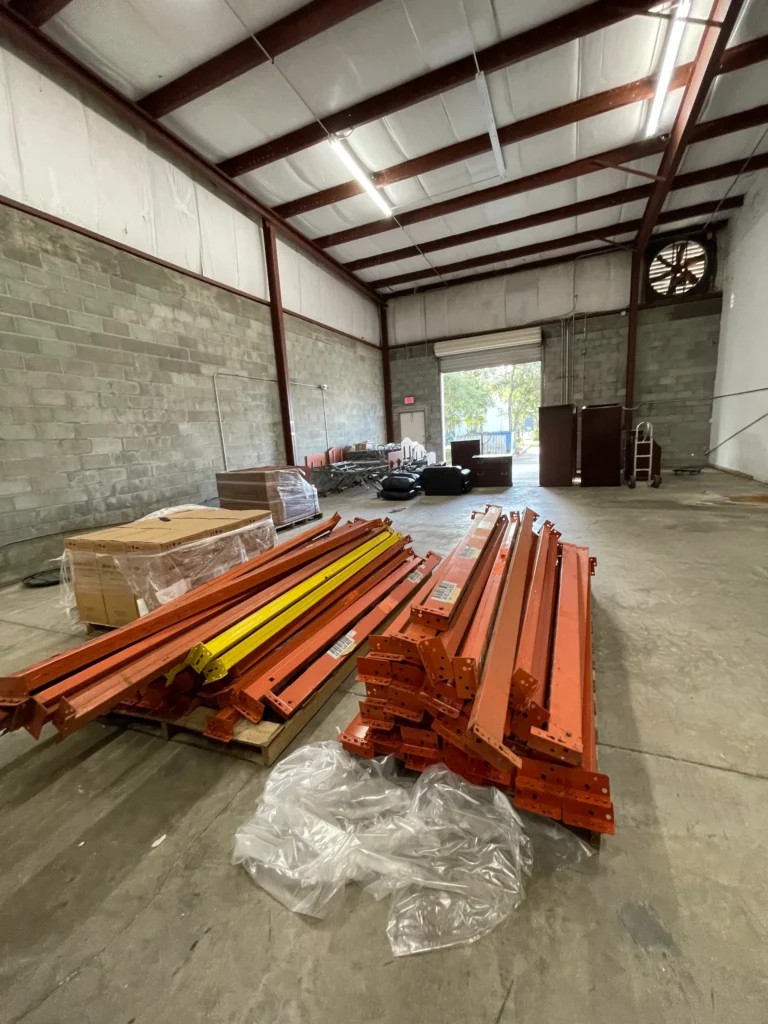
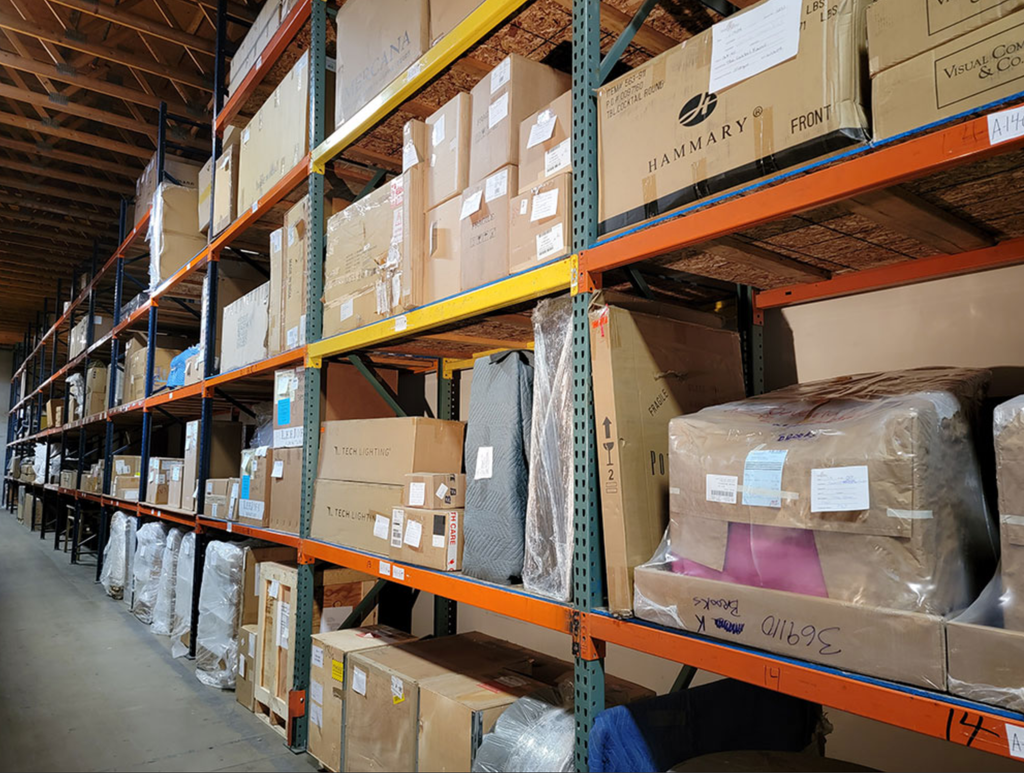
In Logistics items are stores in a commercial warehouse. They are stored either on warehouse racks or using dedicated floor space for larger oversized pallet items or specialty items. In contrast to household goods moving, where items are stored in large wooden storage vaults, commercial shipments are typically being received on pallets and stored that way until they are ready yo go. The only items that typically get fully unboxed and opened up in our warehouse is when we are assisting with White-Glove designer furniture receiving. This is when items are opened and inspected and rewrapped and placed safely in storage until the order is filled to complete the install day.
Storing items on warehouse racking allows for easy to tack shipments, the ability to audit a shipment before final delivery and the ability to pull specific items when a partial delivery is needed.
When it comes to the specialty sized or “awkward items” these require dedicated bulk floor space to ensure their safety as well as minimize any unnecessary handling that can lead to damaged goods.
While standard commercial freight remains sealed on pallets until delivery day, designer furniture and high-end hospitality logistics items require an extra layer of quality control.. Services like full unboxing and detailed inspection, claims mitigation as well as protective rewrapping and safe storage staging.
Delivery Scheduling
Delivery day is where a logistics project comes together nicely or falls apart. For interior designers, hotel operators, and commercial project managers, scheduling Furniture, Fixtures & Equipment (FF&E) delivery/install day is not just about picking a day. Its about coordinating with on site vendors and contractors and managing on site congestion with crews.
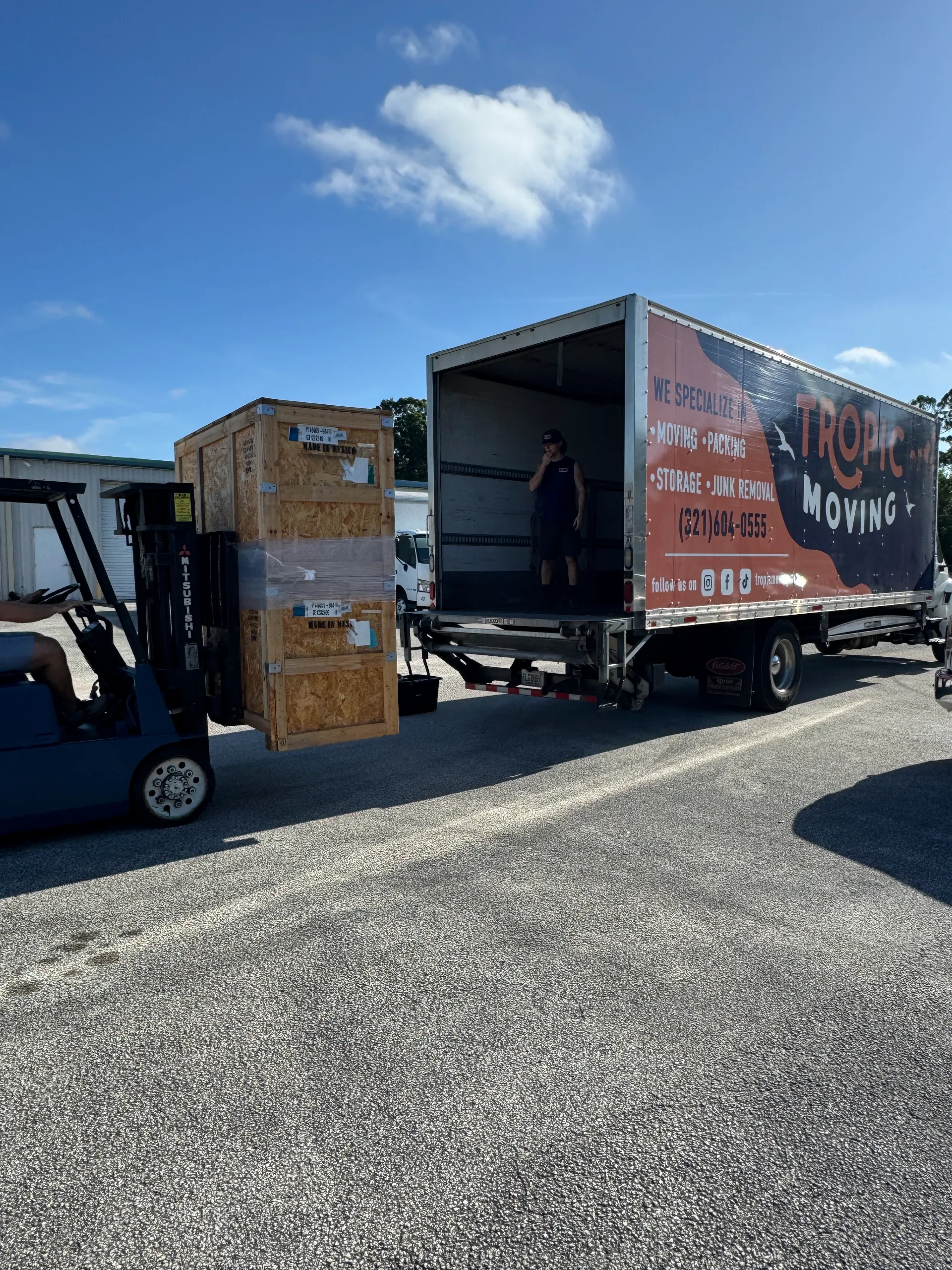
A smooth delivery ay is set up with great communication, keeping the client informed and confident the delivery is on schedule to be completed properly as well as managing on site vendors day of to keep avoid congestion leading to delays. We have a dedicated office project manager in our office that is responsible for keeping all parties involved on the same page leading up to install day. In addition to that we also have an install day on-site team lead to run and manage the project with the goal of ensuring all “boots on the ground” traffic is managed on move day as well as proper placement and instal and managing any real time challenges that pop up to ensure the project is completed on time.
Installation Coordination
When it comes to installation in this space time and efficiency is critical. A great logistics partner has a dedicated install manager who is communicating along the way leading up to the install day to ensure all things are accounted for so that install goes perfectly. The goal is to ensure we prevent and possible surprises before our truck leaves the yard that are within out control. We are typically just one of many supporting partners involved and its equally important for each vendor to do their part. Many times we are coordinating with the general contractor, electricians or handmen to get small installations completed at the facility. For designers we are working with their design team as well as on the homeowners schedule to get everything done efficiently for their big client reveal. Having a trusted professional to lean on for big projects makes life easy on the rest of the project and vendors involved. If coordination is not done in a timely manner some vendors may be on a tight schedule and not abel to fit the install back in for days or weeks that can significantly effect a projects timeline.
Common Mistakes
Mistake 1: Confusing “Freight Delivery” with “White-Glove FF&E Logistics”
Freight delivery is typically just getting items from A to B. The service usually stops at a loading dock or with curbside delivery. Where a White Glove FF&E and Logistics company comes in is getting the items from the truck to where they need to be in the condition they need to be in to be used. This includes offloading, unboxing/uncrating room placement, assembly as well as debris removal.
The reality is its not realistic to expect one driver who is typically hauling these freight shipments to unload and perform the level of labor needed to get these installed and deliveries completed to the extent for the items to be in place and ready to use.
Mistake 2: Signing Clean Bills of Lading (BOLs) Without Freight Inspection
If a package is delivered and and signed for and damage is reported days later the carrier will deny the claim. Once the chain of custody is transferred any damaged received need to be reported at that point in time. A signed bill of lading states that the item was received in the expected condition. If this is not reported and documented in real time these additional costs end up absorbed by the client.
Mistake 3: Hiring Daily General Labor Instead of Specialized Installers
Another popular idea is hiring just day labor instead of specialized installers. The reality is that general day labor is going to keep your costs lower but likely going to result in the project taking longer than expected, items not installed properly and having to rehire help to complete, and damages from items being improperly handled. Having a reputable company with skilled professionals ensures projects get done on time the first time. They allow peace of mind that the company is insured and standing behind the work being done as well.
Mistake 4: Skipping the Pre-Installation Site Walkthrough
An experienced Logistics provider knows the difference between looking at drawings and walking a job site to plan the delivery. An experienced provide is looking for things that done show up on these blueprints such as congestion points, non functioning elevators as well as flooring and what type of equipment we can and cant use. When providers skip the physical walkthrough they are almost guaranteeing running into a bottlenecked loading dock, idle crew time, and double handling items on the install day.
Mistake 5: Comparing Quotes on Hourly Rates Instead of Scope Risk
Many inexperienced companies will go in to bit a job with a low hourly rate. It seems like a cost effective way to manage a project budget. The reality is that inexperienced vendors lead to inflated labor hours, hidden fees and change orders combine with pressure to meet a timeline. An experienced company is going to provide a comprehensive fixed rate price that accounts for site complexities, possible staging needs and necessary insurance.
A successful FF&E installation isn’t just about moving furniture, it’s about managing risk, protecting your project vision, and keeping every party involved on the same page from start to finish. By avoiding common logistics downfalls, utilizing dedicated office and on-site project management, and using local logistics warehousing for thorough receiving and staging, you can ensure your projects stay on schedule and are done right the first time.
Frequently Asked Questions (FAQ)
Q: How much notice does a logistics provider need for an FF&E project? Ideally, bring your logistics partner on board 60 to 90 days before your target installation date. Engaging early allows time to reserve local warehouse space, set up receiving protocols, secure building delivery windows, and coordinate dock/elevator access with your General Contractor. While notice is always ideal we are used to working to fasttrack projects inside of 30 days as well as needed.
Q: Why shouldn’t we ship FF&E directly from the manufacturer to job site? Commercial job sites are dynamic and can be chaotic environments with active work being done from many different trades, trade dust, and tight jobsite constraints. Direct-to-site shipments often lead to damaged inventory, missing items, and expensive truck idle fees if the site isn’t 100% ready upon delivery. And if the shipment cant be received it is going to have to be taken back and redelivered delivering the project and incurring additional costs. Staging inventory at a local logistics warehouse ensures items are inspected on time and pulled on-demand as when needed.
Q: What is the difference between standard freight receiving and White-Glove receiving? Standard freight receiving involves accepting pallets, verifying item counts on the Bill of Lading (BOL), and simply relocating the wrapped pallets directly into warehouse storage. White-Glove receiving is much more involved. White-Glove includes fully unboxing high-value designer or custom pieces, conducting a thorough physical damage inspection, taking photo documentation, and protective-rewrapping the items before staging them for installation.
Q: Who handles damage claims if items arrive broken at the warehouse or on site? When you choose white-glove receiving and inspection, our dedicated warehouse team documents any and all freight damage, that may not have been visible upon freight delivery, immediately upon unboxing, notes it on the delivery receipt, and communicates this immediately your dedicated Office Project Manager. This quick reporting lets any damages be handled long before the delivery day so everything arrives in perfect condition.
Q: How do you prevent FF&E deliveries from disrupting active construction sites? A simple and smooth delivery day comes down to our dedicated project managers performing at a high level. Our Office Project Manager ensures all details are accounted for before delivery such as dedicated dock and elevator times weeks in advance. On delivery day, they pass the baton to our On-Site Install Lead. They manage day of truck flow, pads and controls the freight elevator, and ensures proper placement and all install details are met.
Q: What happens if construction delays push back our installation date? Because inventory is being stored at our dedicated commercial warehouse and not sitting on delivery trucks, schedule changes and delays are easy to manage. Items can simply be kept in storage and held until the site is ready and crews rescheduled for a later date.
Turn the guidance into a workable plan
Share the goods, origin, destination, timing, and site conditions. Tropic Logistics will help identify the next practical handoff.