Key takeaway
The best jobsite delivery plan does not simply move material. It matches each release to site readiness, labor availability, access, and the next productive task.
Why jobsite material flow is difficult
Commercial projects depend on materials arriving at the right stage of the work. Deliver too early and the site becomes a storage yard. Deliver too late and crews may wait while the schedule slips. The challenge becomes greater when several suppliers, trades, loading areas, and delivery windows must share the same plan.
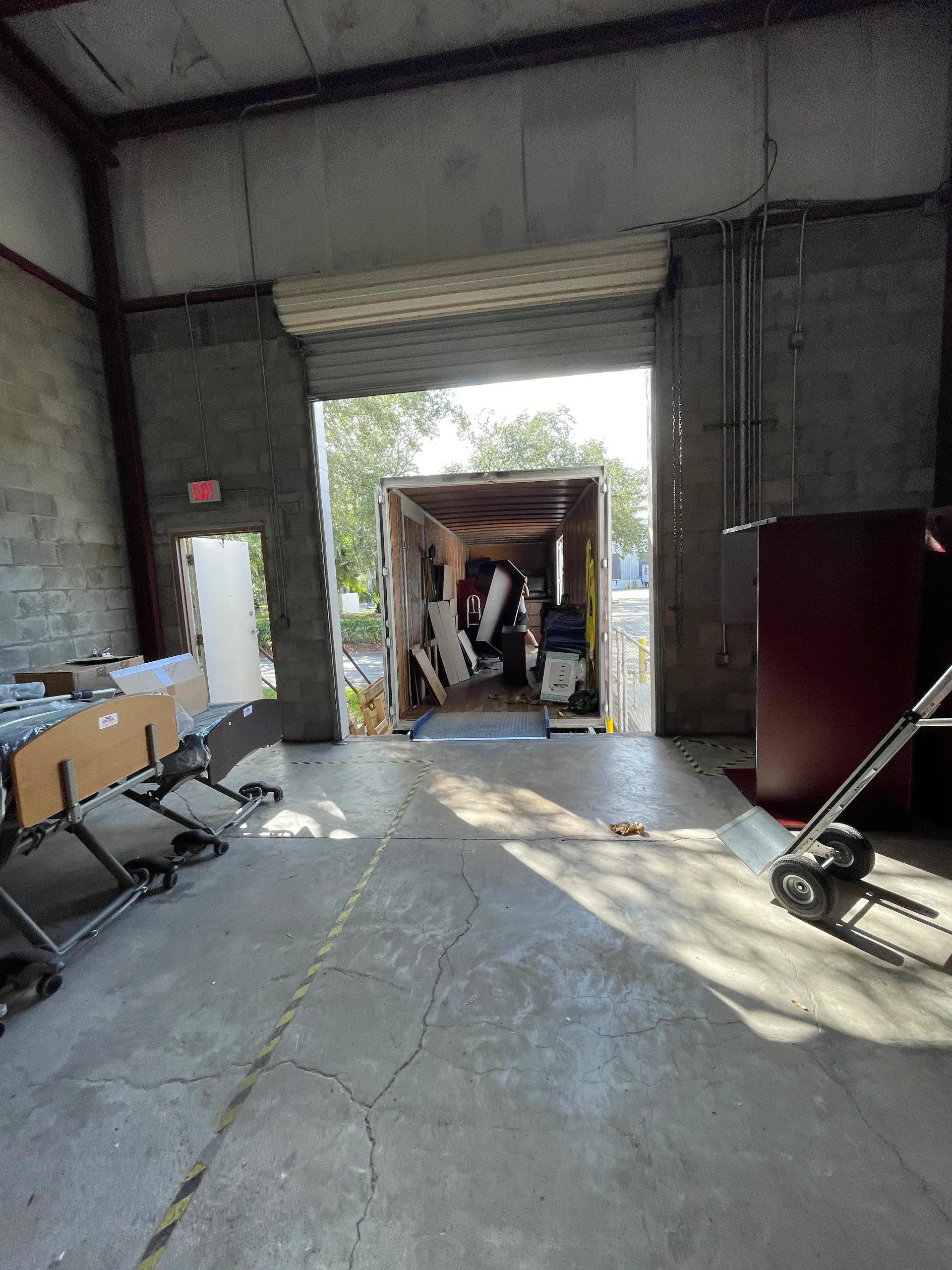
A jobsite logistics partner creates a controlled bridge between suppliers and the field. Materials can be received away from the active site, identified, organized, and released when the superintendent or project lead confirms that the destination is ready.
The hidden cost of an unplanned delivery
The freight charge is only one part of a delivery. An unexpected truck can create dock congestion, detention time, double handling, blocked work areas, and idle labor. If the site refuses a shipment, the project may also absorb storage, return, and redelivery costs.
Those soft costs are easy to miss because they are spread across the carrier, general contractor, subcontractors, and project schedule. A coordinated plan makes the handoffs visible before the truck reaches the gate.
- Confirm delivery windows and site contacts.
- Match vehicle and unloading equipment to site conditions.
- Identify where each load will be staged or placed.
- Document exceptions before material enters the workstream.
How a warehouse buffer supports the field
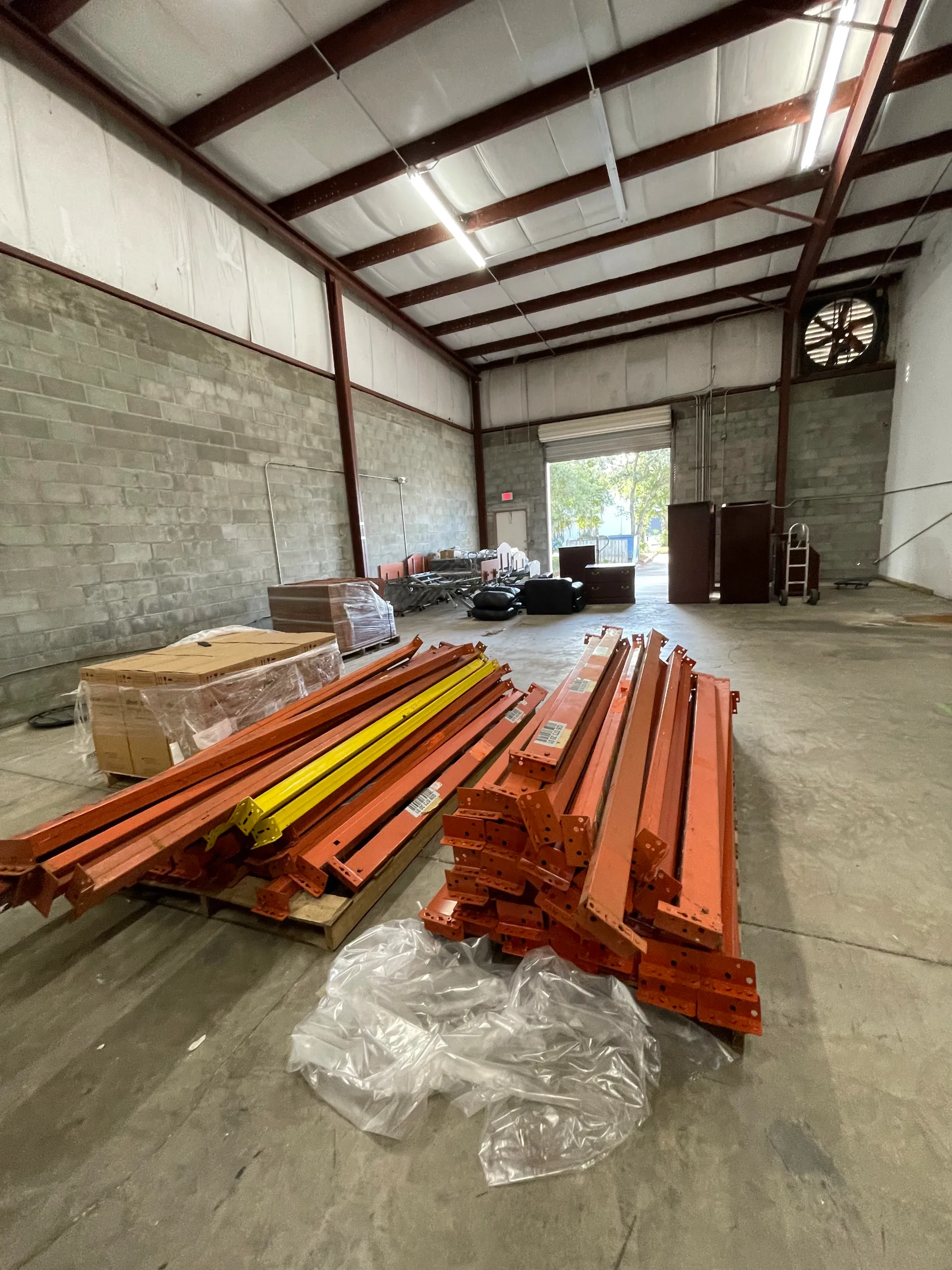
A local commercial warehouse gives project teams room to separate inbound transportation from jobsite readiness. Supplier deliveries can arrive at the warehouse, where palletized goods, finishes, fixtures, equipment, and other approved materials are organized by phase or destination.
That buffer also supports will-call pickup, freight-terminal recovery, cross-docking, and consolidated releases. Instead of sending several partial trucks to the site, compatible materials can be grouped into a planned delivery.
Build each release around the real site
Drawings do not always show the conditions that affect delivery. Gate access, turning radius, elevator availability, surface conditions, occupied areas, security procedures, and other trades can change the practical route. A site walk or detailed readiness conversation helps determine the vehicle, crew, equipment, and placement plan.
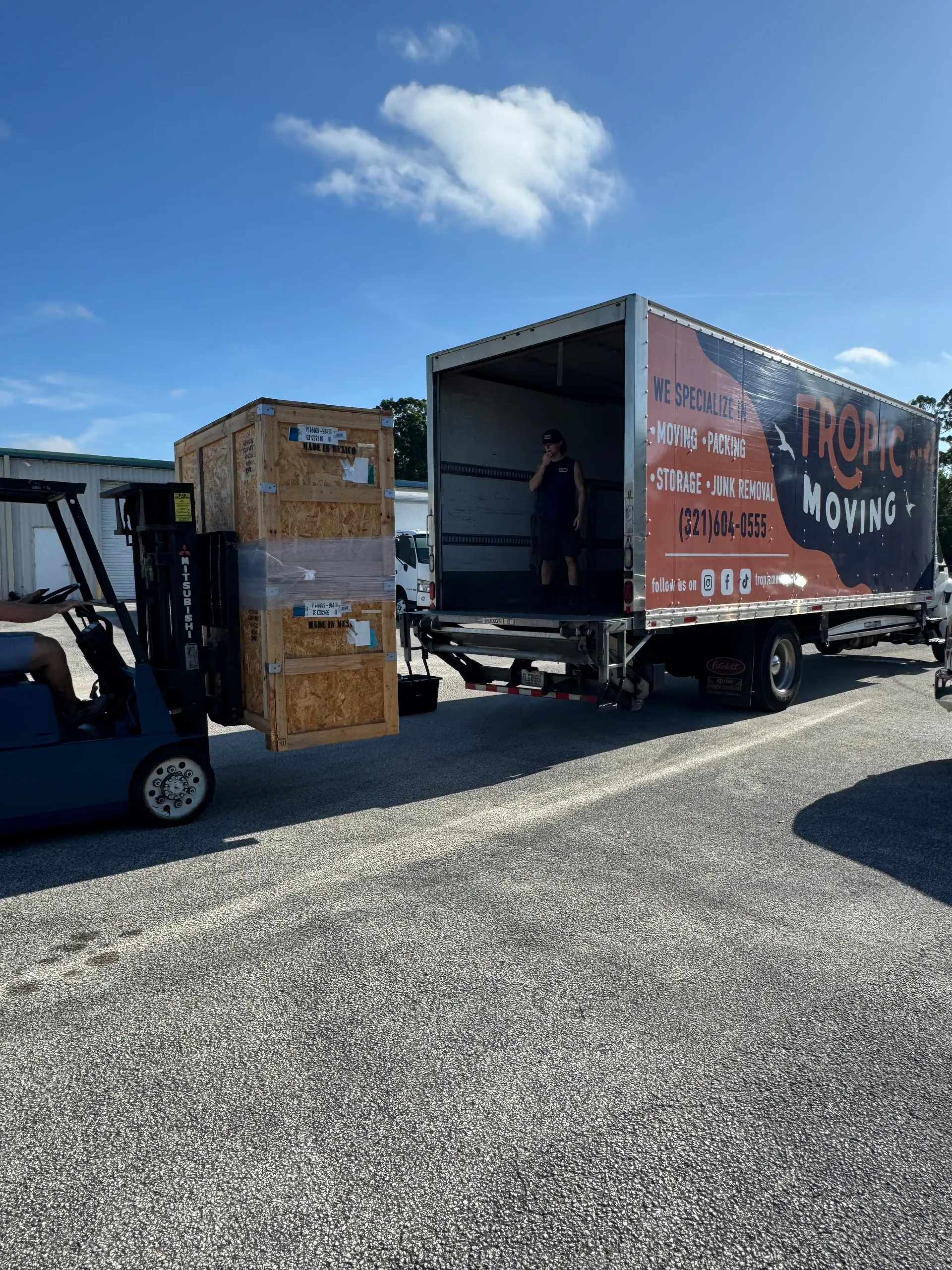
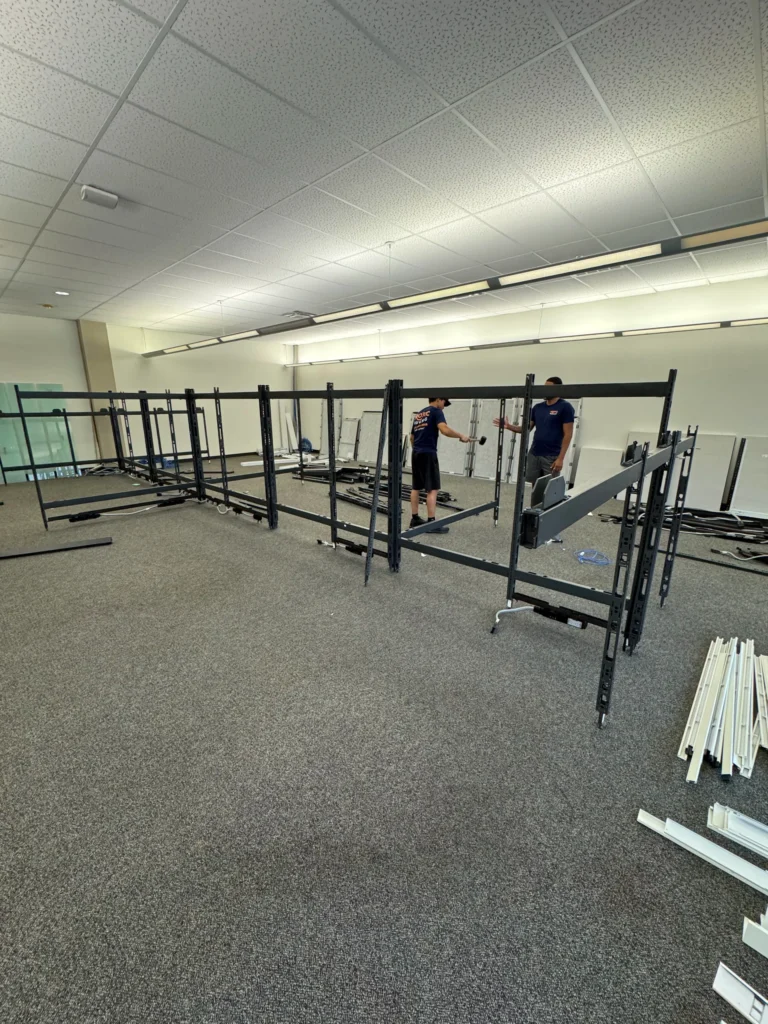
The same thinking applies to liftgate needs, oversized material, pallet access, room-by-room placement, and packaging removal. Defining those responsibilities early reduces surprises and keeps the right people available.
Information to share before the first delivery
A useful logistics brief does not have to be complicated. It should give the coordination team enough information to identify the load, prepare the destination, and reach the right decision-maker when conditions change.
- Supplier, carrier, item type, quantity, and expected arrival.
- Project address, receiving hours, gate or dock instructions, and site contact.
- Required unloading equipment, labor, protection, or placement.
- Phase, area, room, or trade assignment.
- Rules for damage notes, shortages, returns, and proof of delivery.
A repeatable jobsite workflow
A practical sequence is straightforward: confirm the incoming shipment, receive or recover it, record visible exceptions, organize it around the project plan, verify site readiness, schedule the release, and close the handoff with clear documentation.
That discipline helps contractors protect productive labor time while giving suppliers, carriers, and project stakeholders one clearer coordination path.
Frequently asked questions
What is jobsite material logistics?
It is the coordinated receiving, staging, transportation, and release of construction or project materials around the site schedule and access plan.
Can materials be stored before the jobsite is ready?
Yes. Commercial warehousing can create a temporary buffer when approved materials arrive before the destination can receive them.
Can several supplier shipments be delivered together?
Compatible shipments can often be organized into a consolidated release when item details, timing, equipment, and site requirements are confirmed.
What should a contractor provide for a delivery quote?
Share item types, quantities, pickup or origin details, destination, target date, access conditions, placement requirements, and the responsible site contact.
Turn the guidance into a workable plan
Share the goods, origin, destination, timing, and site conditions. Tropic Logistics will help identify the next practical handoff.