Key takeaway
Commercial warehousing is most useful when it is connected to receiving, inventory visibility, transportation, and the project schedule—not treated as space alone.
What are commercial warehousing and logistics services?
Commercial warehousing gives businesses a managed place to receive, organize, hold, and release approved goods. Commercial logistics connects that warehouse activity with transportation, distribution, delivery, placement, and project coordination.
A provider may support short-term project storage, longer-term inventory needs, overflow goods, seasonal inventory, vendor shipments, or a defined installation program. The right model depends on how often items move, how they must be tracked, and what must happen at the destination.
Warehouse storage is not the same as self-storage
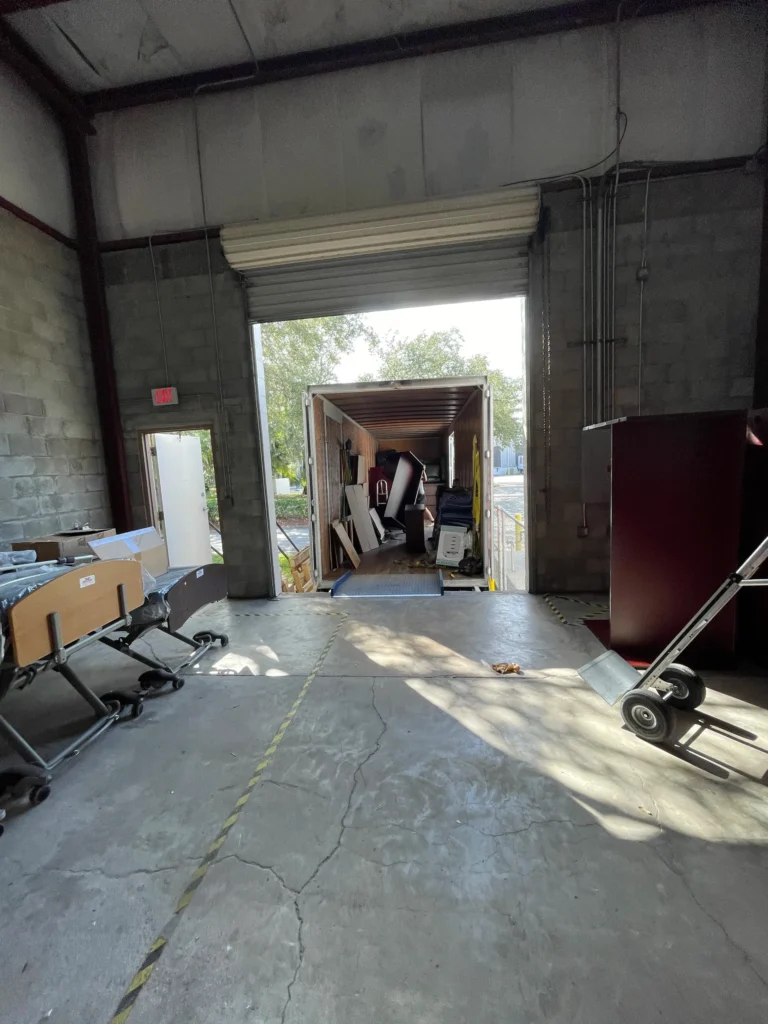
Self-storage generally gives the renter access to a unit. A commercial warehouse is an operating environment where trained staff may schedule carriers, unload shipments, identify goods, record exceptions, place items into organized storage, and prepare outbound releases.
Distribution centers and fulfillment centers are built around higher-volume product flow or parcel-order processing. A project logistics warehouse is often more flexible, supporting irregular freight, furniture, equipment, jobsite material, and scheduled commercial delivery.
Core commercial warehouse services
A warehouse relationship should be scoped around the work the business actually needs. Common elements include:
- Carrier appointments and shipment acceptance.
- Quantity checks and visible-condition documentation based on the agreed receiving scope.
- Project labeling, inventory records, and location tracking.
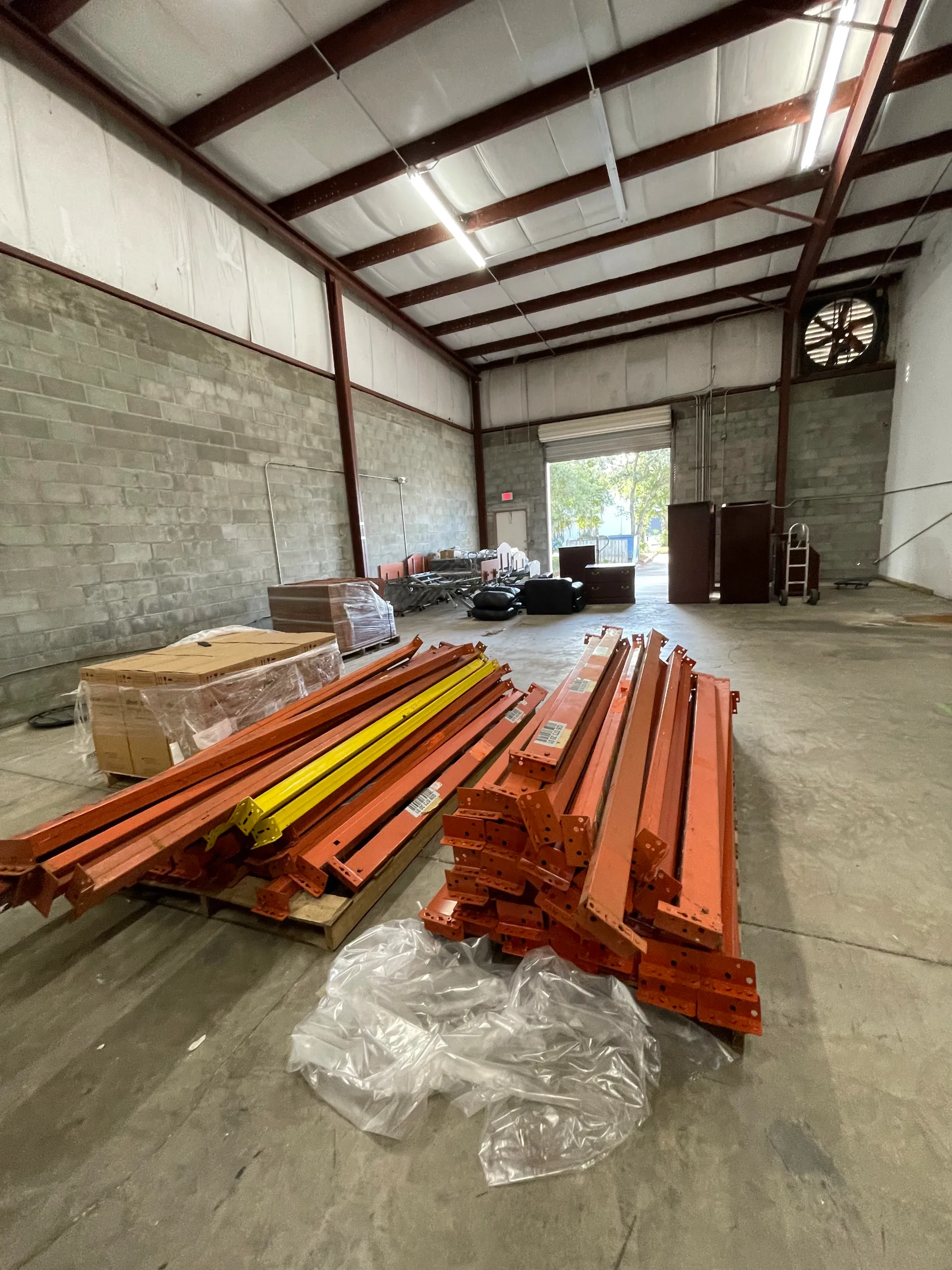
- Racked or floor storage appropriate to the approved goods.
- Picking, staging, consolidation, and scheduled outbound delivery.
- Coordination with vendors, project managers, contractors, and destination contacts.
Businesses that benefit from outsourced logistics
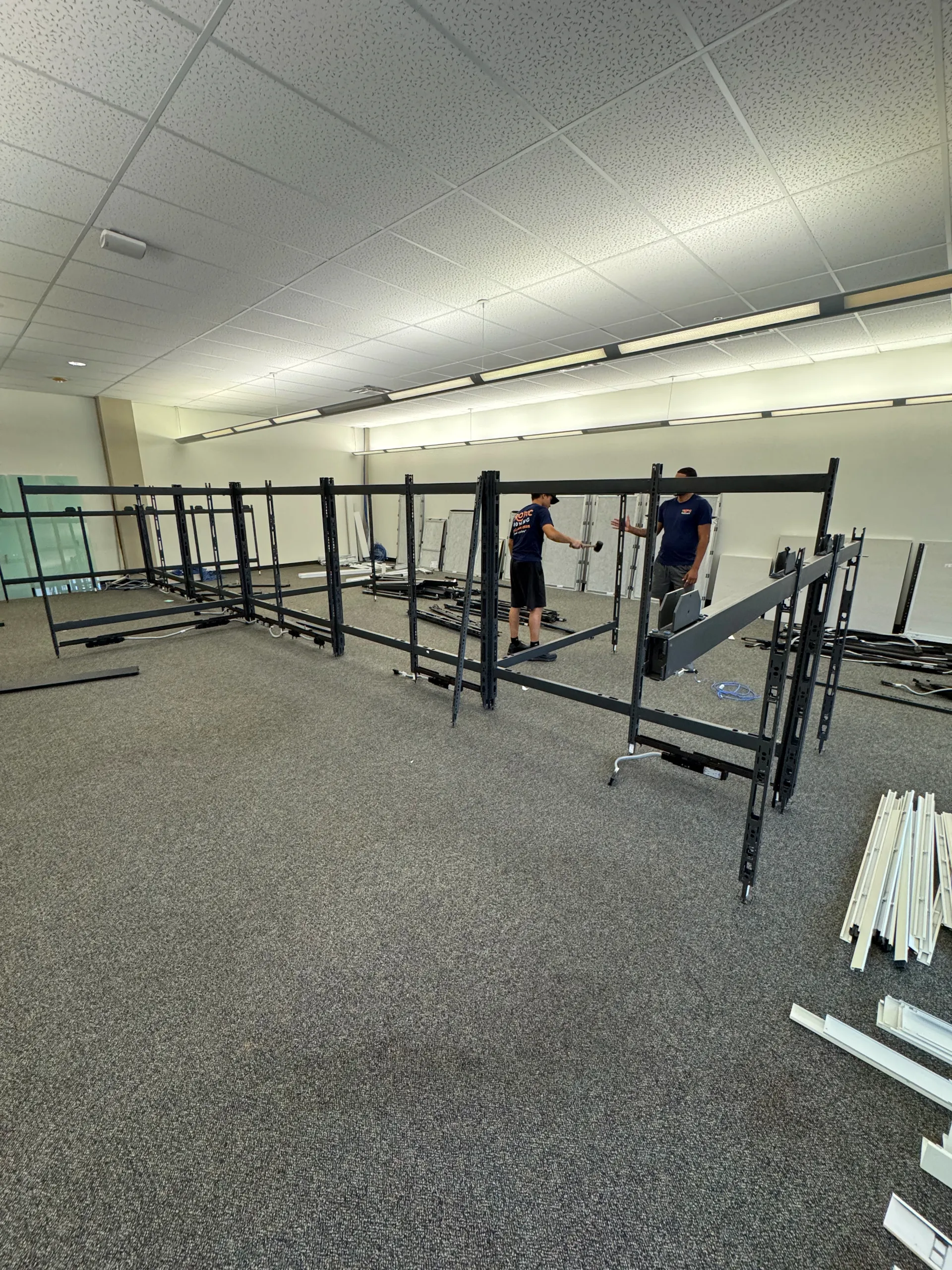
Interior designers and hospitality teams use receiving warehouses to manage FF&E arriving from several sources. Contractors use staging and jobsite delivery to keep materials off active work areas until they are needed. Healthcare, corporate, education, retail, manufacturing, and property-management projects may need similar support for furnishings, equipment, renovations, or relocations.
Outsourcing is especially useful when a business needs logistics capacity without maintaining a permanent warehouse, fleet, receiving team, and inventory process of its own.
Why flexibility matters in Florida projects
Project schedules move. Vendor shipments arrive early, construction runs late, storms affect transportation, and destinations may have limited receiving windows. A local warehouse buffer can reduce the pressure to accept every shipment directly at the final site.
In Brevard County, businesses also operate across mainland, beachside, port, aerospace, healthcare, hospitality, construction, and manufacturing environments. Local knowledge helps the team ask better questions about access, distance, carrier terminals, equipment, and scheduling.
How to choose a commercial logistics partner
Look beyond square footage or a single hourly rate. Evaluate whether the provider can explain the complete path from inbound appointment through final handoff.
- Relevant commercial and project experience.
- Warehouse layout, equipment, security, and the fit for your goods.
- Clear inventory, exception, and communication procedures.
- Transportation and placement capabilities appropriate to the destination.
- Insurance and responsibility boundaries suited to the scope.
- A scalable plan for schedule changes, phased releases, and peak volume.
Frequently asked questions
What is commercial warehousing?
Commercial warehousing is managed business storage that can include shipment receiving, item identification, inventory organization, staging, and outbound release.
Can a warehouse receive shipments for my business?
Yes, when the shipment details, appointment process, item type, handling requirements, and receiving scope have been approved in advance.
How long can commercial inventory be stored?
Storage can be short-term or longer-term depending on the agreement, available space, item characteristics, and expected release plan.
Can a logistics company deliver directly to jobsites?
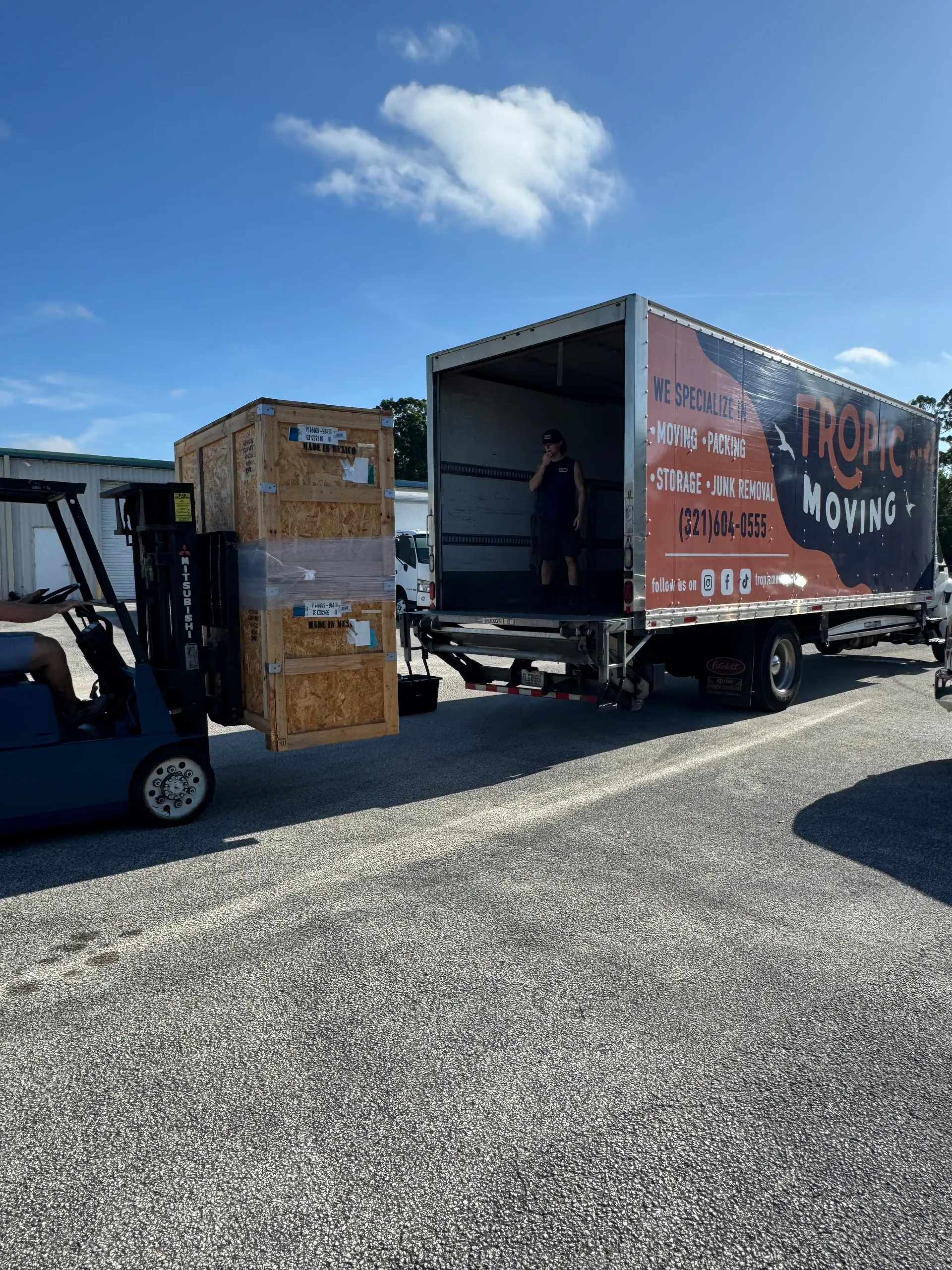
Many commercial logistics providers coordinate scheduled jobsite delivery, but vehicle, equipment, labor, access, and placement requirements should be confirmed for each project.
Turn the guidance into a workable plan
Share the goods, origin, destination, timing, and site conditions. Tropic Logistics will help identify the next practical handoff.