Key takeaway
Commercial movers relocate assets between places. Commercial logistics providers coordinate the broader flow of goods, information, storage, vendors, and scheduled handoffs.
The short answer
Commercial moving focuses on relocating business assets from an origin to a destination. Commercial logistics manages how goods arrive, wait, move, combine, and reach the correct destination across a longer or more complex project.
The services overlap, but the planning horizon is different. A mover may execute a well-defined relocation. A logistics provider may begin months earlier by coordinating vendor shipments, warehouse receiving, inventory, staging, phased delivery, installation partners, and closeout.
What commercial movers typically handle
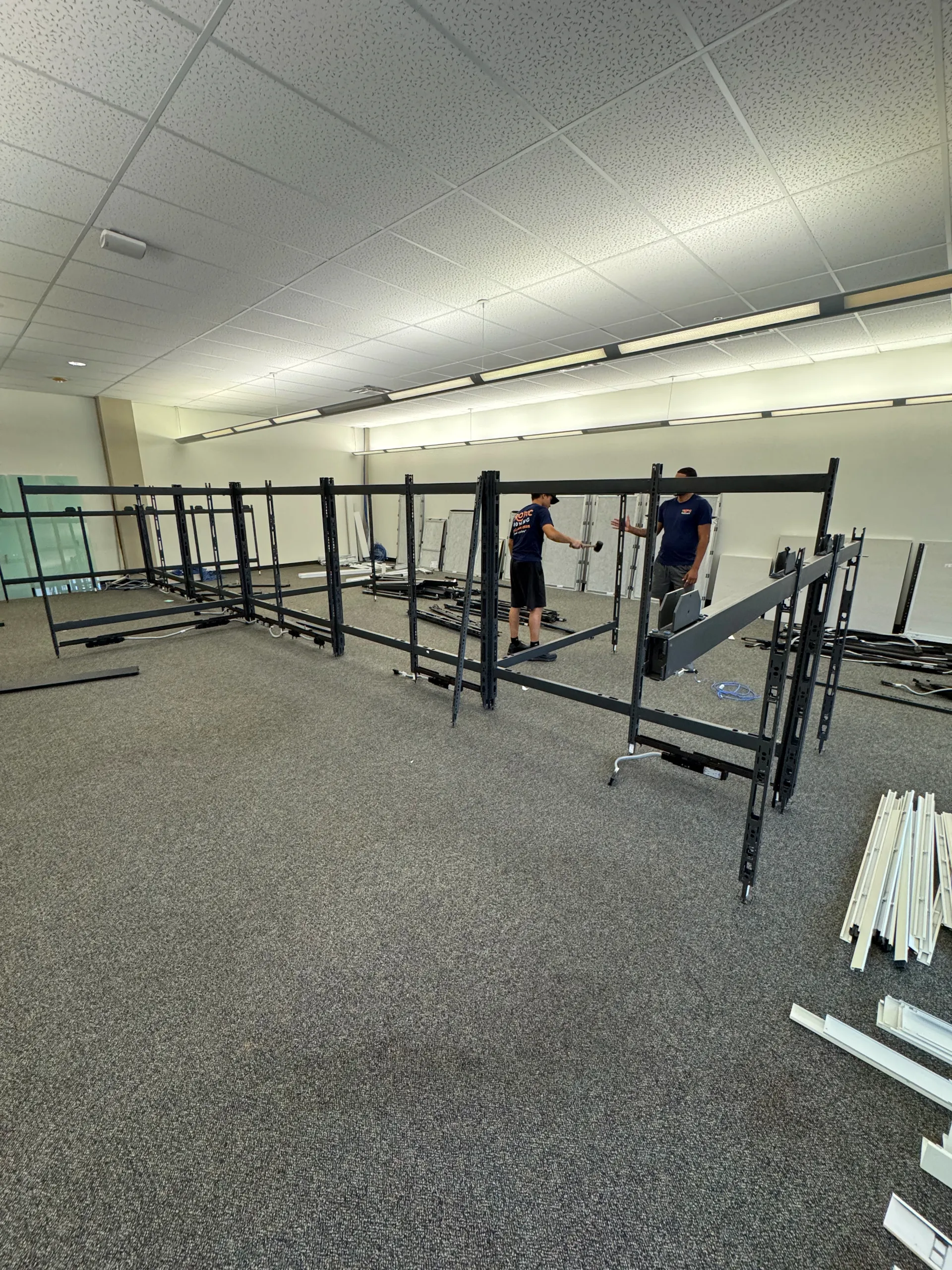
A commercial moving scope is usually anchored to a move event or series of move events. It may include packing, protection, transportation, furniture movement, equipment movement, office relocation, placement, and approved assembly tasks.
- Office and workplace relocations.
- Department or floor moves.
- Furniture and equipment movement.
- Packing, protection, loading, transportation, and unloading.
- Destination placement based on the approved move plan.
What a commercial logistics provider adds
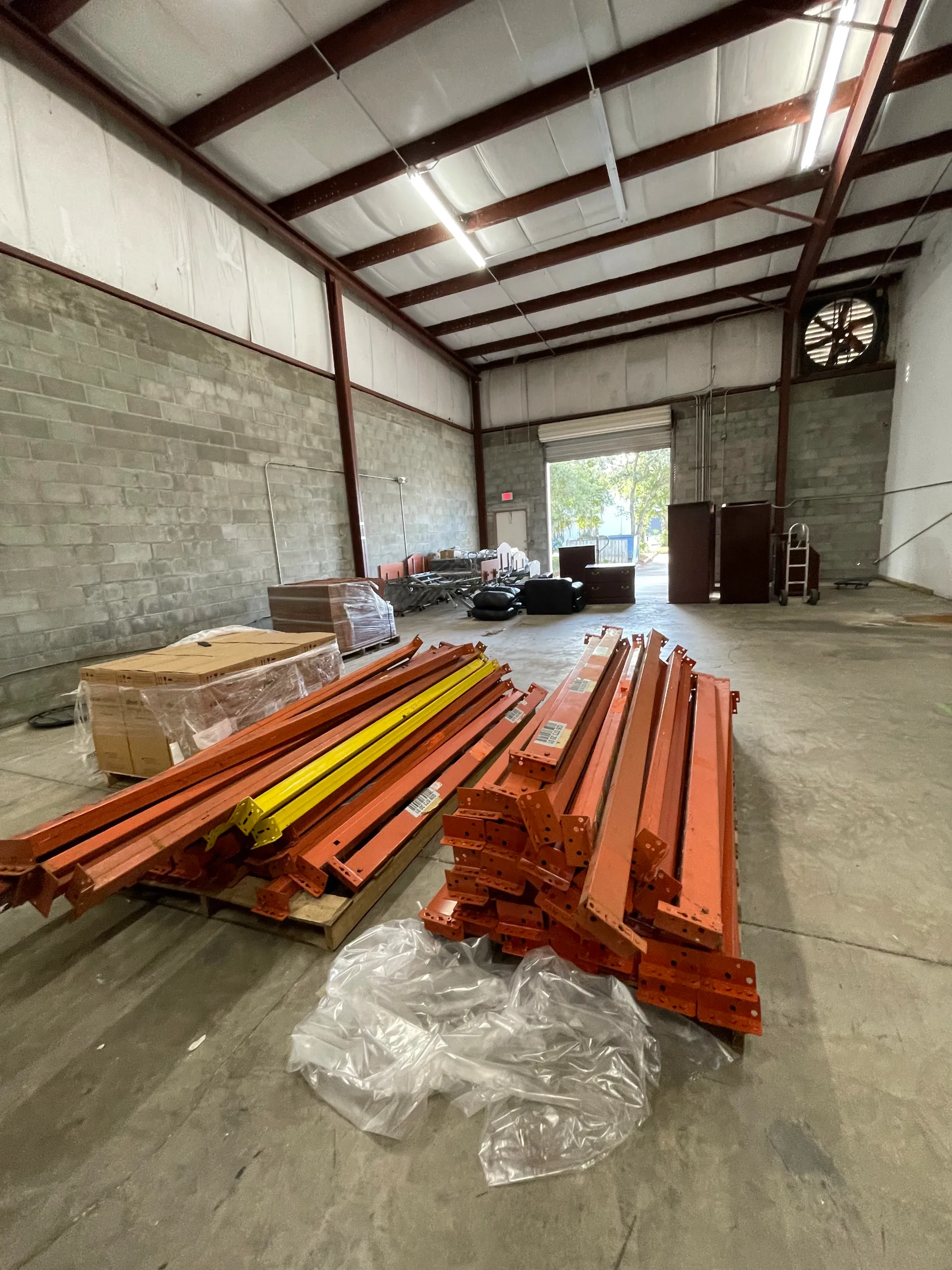
Logistics begins when the work is not defined by one origin, one destination, and one move date. Goods may come from manufacturers, freight terminals, designers, distributors, and contractors. Some items may need storage, inspection, consolidation, or phased release before they reach the site.
The provider becomes a coordination layer between procurement, carriers, warehousing, project management, field conditions, and the final handoff.
- Multi-vendor receiving and appointment scheduling.
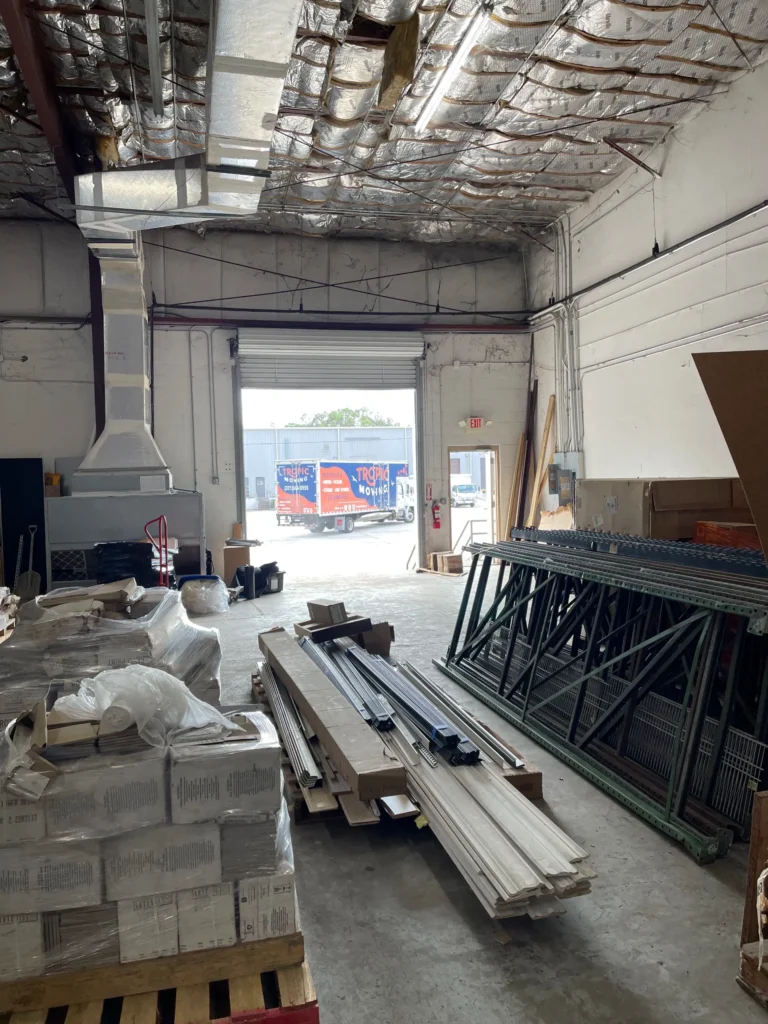
- Commercial warehousing and inventory organization.
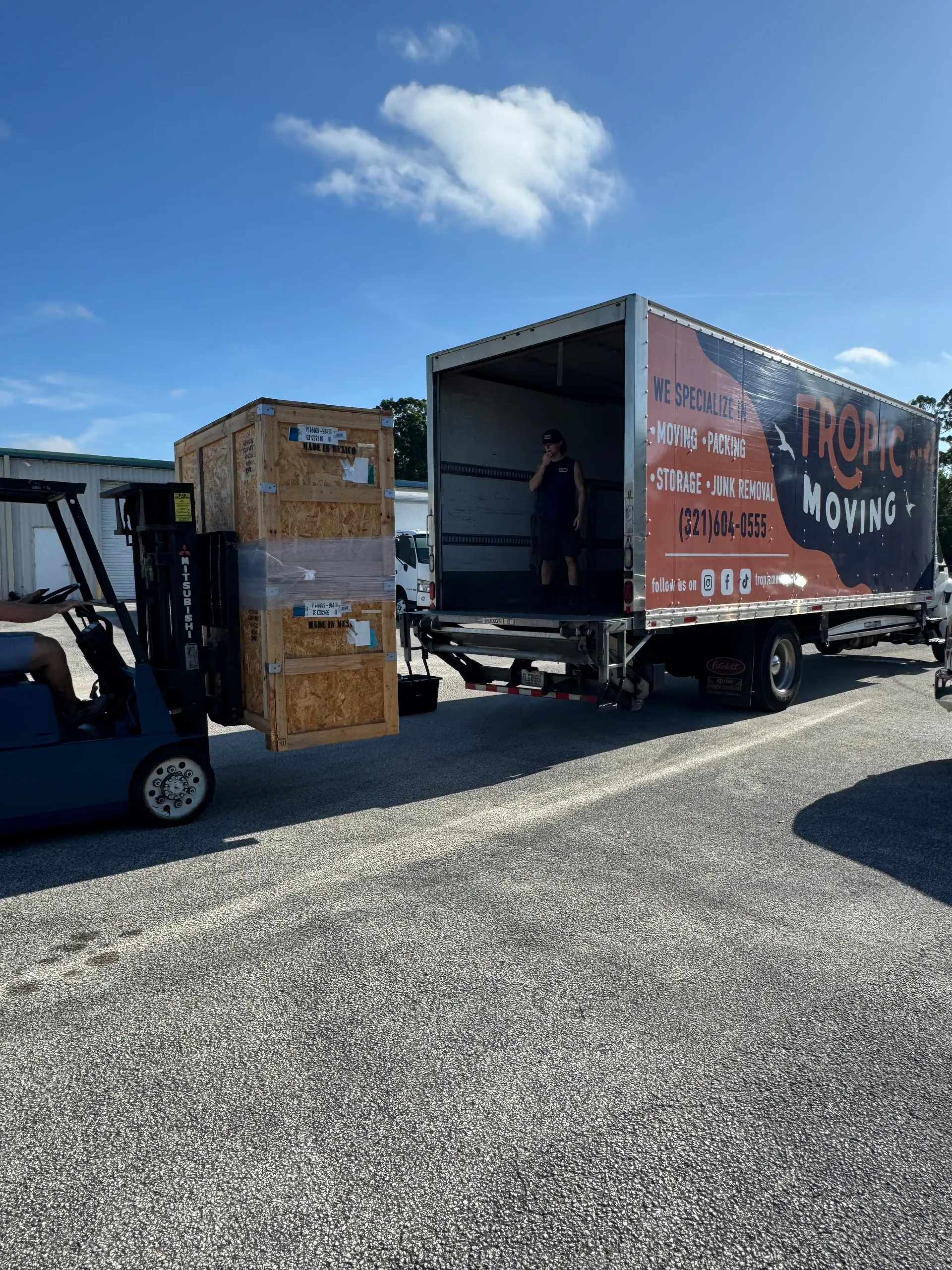
- Freight recovery, local transportation, and final-mile delivery.
- Project staging, phased releases, and consolidated delivery.
- Destination readiness, placement, and installer coordination.
Where moving and logistics overlap
A workplace relocation may need both. Existing furniture must move from the old office while new furniture arrives from vendors and waits in storage. The project may require staged deliveries, department sequencing, technology handoffs, building reservations, and removal from the former space.
In that case, the move is one part of the logistics plan. Using one coordination model helps prevent the inbound furniture program and the outbound relocation from competing for the same space, labor, or access windows.
Which service does your business need?
Choose based on the number of handoffs and the amount of uncertainty—not simply the size of the project.
- Choose commercial moving when the primary need is a defined relocation between ready locations.
- Choose commercial logistics when goods come from multiple sources, require receiving or storage, or must be released around a project schedule.
- Choose an integrated approach when a relocation also includes new furniture, phased occupancy, decommissioning, or several vendors.
Questions that reveal the right scope
Ask where goods originate, whether all destinations are ready, how many vendors are involved, what must be stored, who owns condition reporting, and whether delivery must be phased. Also identify technical installation, disconnection, regulated material, or other work that belongs with a qualified specialty partner.
Clear answers turn a vague request for “moving help” into a practical responsibility map.
Frequently asked questions
Is commercial logistics the same as a moving company?
No. The work can overlap, but commercial logistics usually includes a broader combination of receiving, warehousing, transportation, inventory coordination, vendor handoffs, and project scheduling.
Can one company provide moving and logistics support?
Some providers can support both under one coordinated scope. Confirm which responsibilities, equipment, specialty partners, and insurance apply to each part of the work.
Do I need logistics for a small project?
Project size is not the only factor. A smaller project can benefit from logistics when it has several vendors, an unready destination, limited storage, or strict access windows.
What information helps determine the right service?
Share origins, destinations, item types, vendor count, arrival dates, storage needs, move windows, access rules, placement requirements, and project contacts.
Turn the guidance into a workable plan
Share the goods, origin, destination, timing, and site conditions. Tropic Logistics will help identify the next practical handoff.