Key takeaway
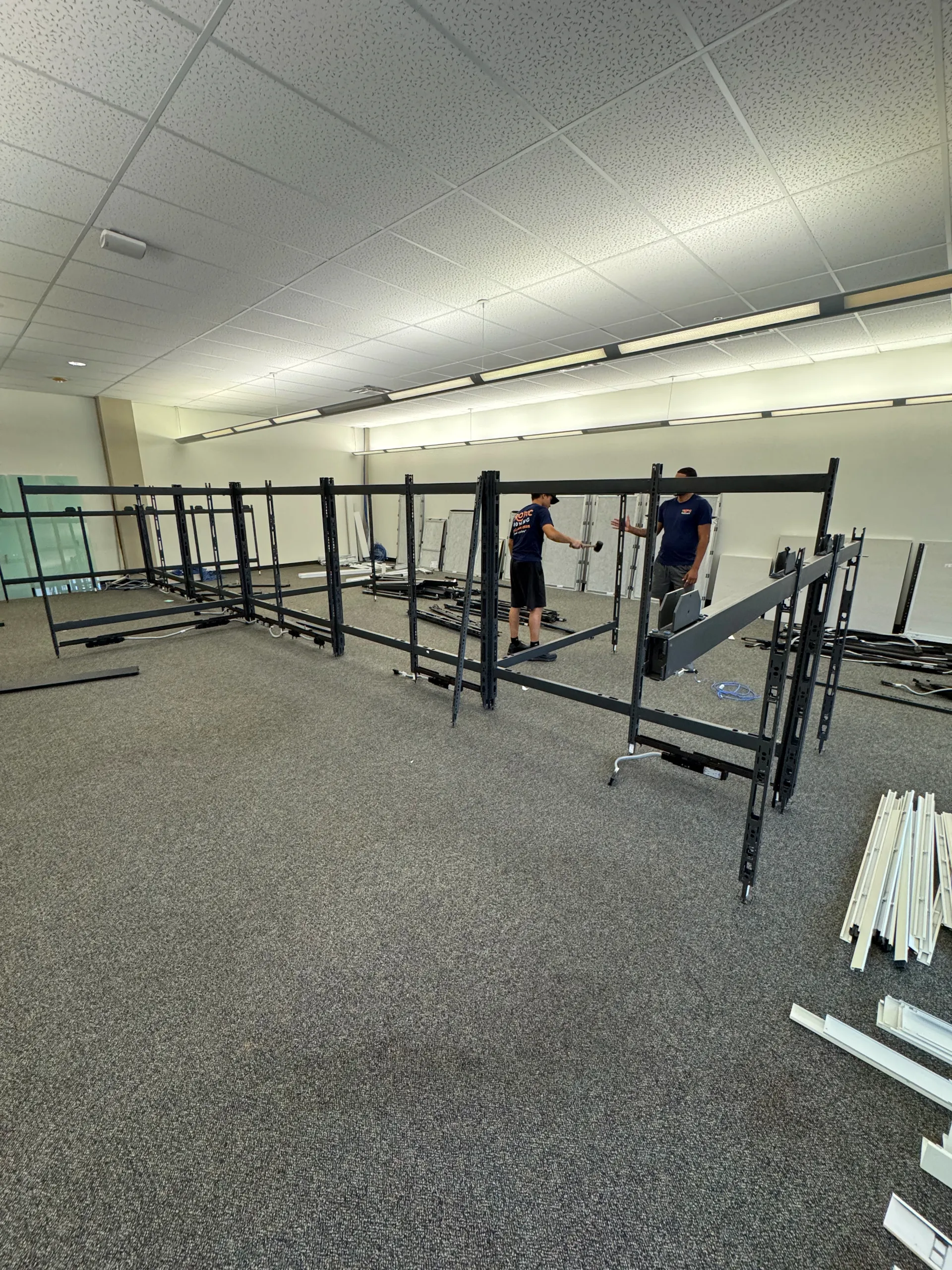
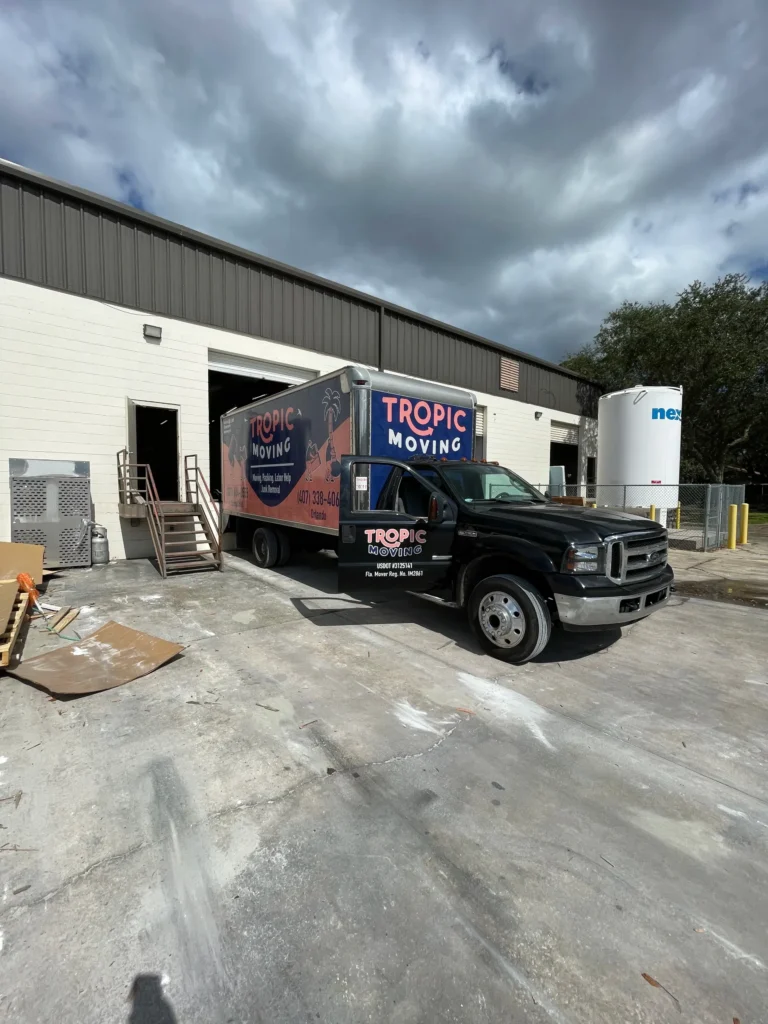
The last mile is where a shipment becomes a site-specific operation. Access, timing, unloading, labor, placement, and communication matter as much as transportation.
What is last-mile delivery?
Last-mile delivery is the final local movement of goods from a freight terminal, warehouse, distribution point, supplier, or other staging location to the business or project destination. The term describes the final leg, even when the actual distance is much longer than one mile.
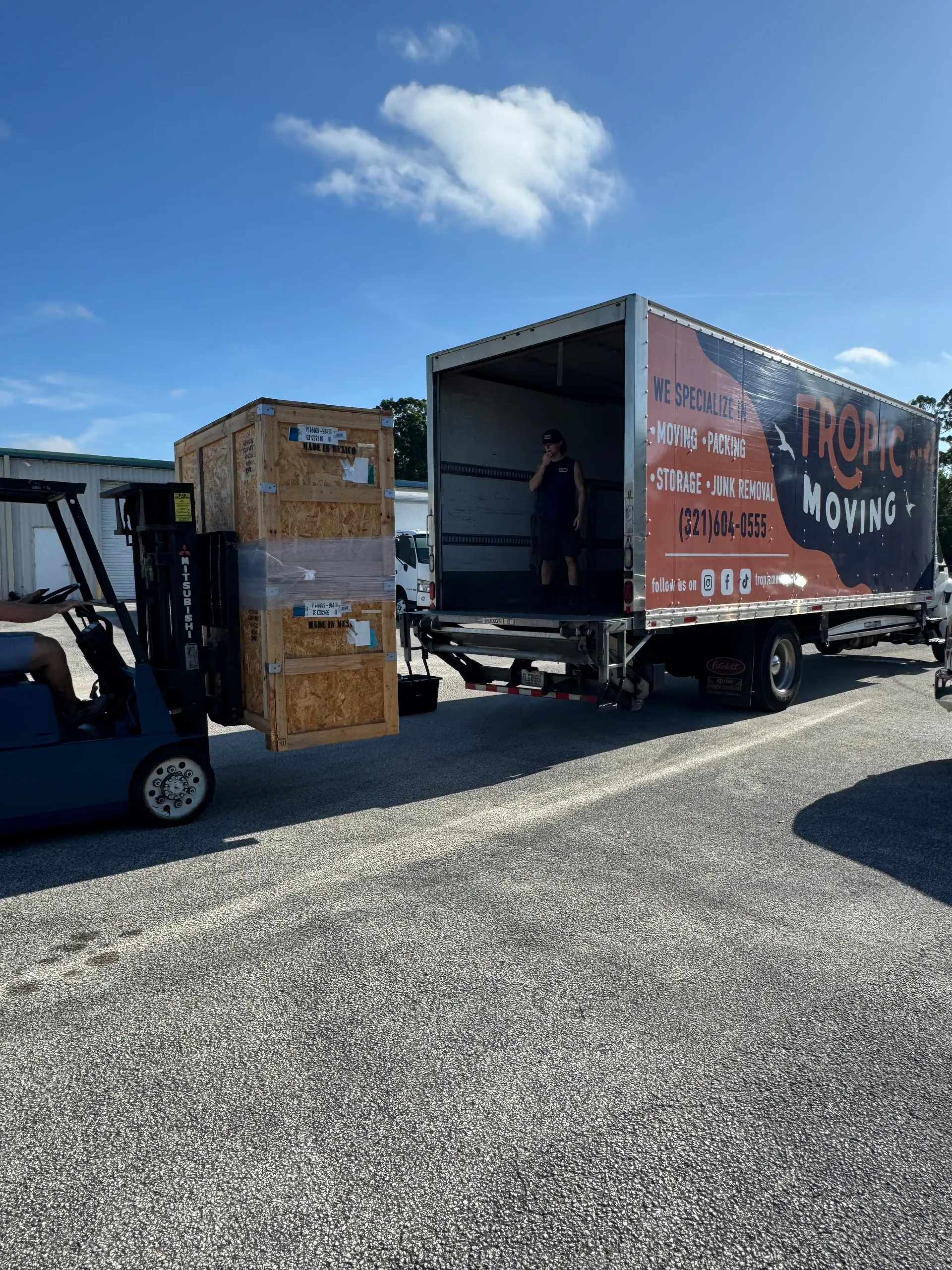
For commercial shipments, that final leg can be the most operationally demanding. A long-haul carrier is built to move freight between terminals. The destination may need a smaller vehicle, liftgate, extra labor, appointment, security clearance, floor protection, inside placement, or a phased release.
Why the final leg creates risk
Supplier routes and freight terminals work from their own schedules. Commercial sites work from operating hours, construction milestones, dock reservations, elevator windows, and available receiving staff. When those schedules do not align, a technically successful shipment can still become a failed delivery.
The hidden costs may include idle labor, detention, redelivery, temporary storage, damage, blocked operations, and extra handling. Last-mile planning connects the carrier’s endpoint to the site’s actual receiving conditions.
Commercial last-mile service levels
Not every load needs the same handling. Define the destination service before scheduling transportation.
- Dock or curbside delivery.
- Liftgate delivery for sites without a dock.
- Inside delivery to an approved receiving area.
- Room-of-choice or project-area placement.
- Staging, unpacking, light assembly, or packaging removal when included in scope.
- Coordination with qualified installers or specialty providers.
How local warehousing improves the last mile
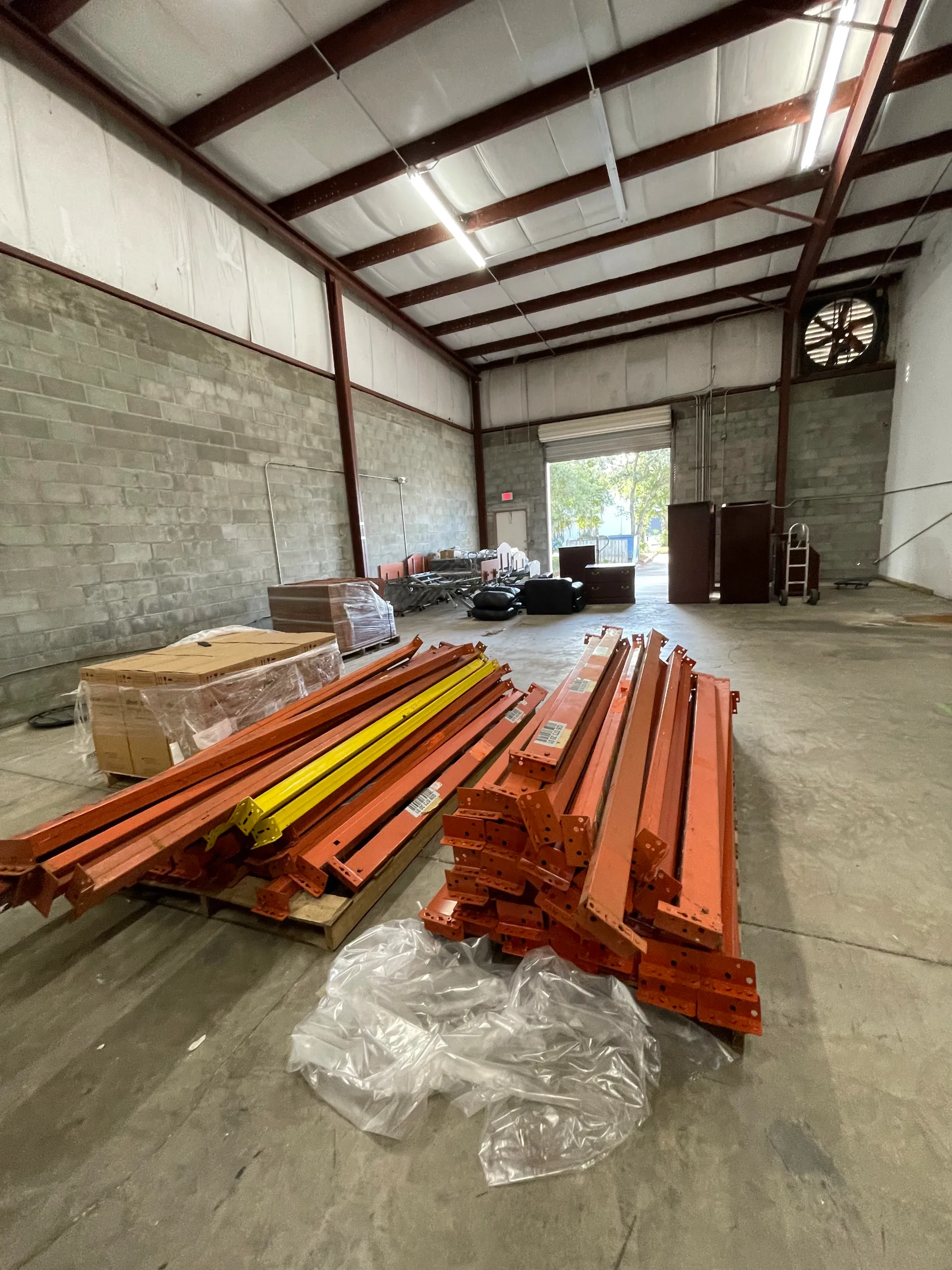
A local warehouse can receive freight before the destination is ready, recover approved shipments from a carrier terminal, and organize goods for the final release. This makes it possible to separate long-haul transportation from site-specific delivery.
Warehousing also supports consolidated delivery. Several vendor shipments can be grouped around a project phase, reducing the number of trucks and receiving events at the destination.
Who uses commercial last-mile delivery?
Contractors use it for materials and equipment that need a controlled jobsite arrival. Interior designers and hotels use it for FF&E. Healthcare, retail, corporate, education, manufacturing, and property-management teams use it for furnishings, equipment, renovations, openings, and relocations.
The common need is not an industry label. It is a shipment that requires more coordination at the destination than a standard carrier route provides.
What to confirm before booking
A strong last-mile request describes the shipment and the destination with equal care.
- Item dimensions, weight, packaging, quantity, and handling restrictions.
- Pickup location, terminal status, reference numbers, and release requirements.
- Destination hours, contacts, access, dock, elevator, stairs, and parking.
- Vehicle, liftgate, pallet-jack, crew, protection, placement, and debris needs.
- Delivery window, phase assignment, proof of delivery, and exception process.
Frequently asked questions
Is last-mile delivery only for small packages?
No. Commercial last-mile work can include palletized freight, furniture, fixtures, equipment, project materials, and other approved business goods.
What is the difference between freight delivery and final-mile delivery?
Freight delivery often moves goods between terminals or to a dock. A final-mile scope is tailored to the local destination and may include appointments, special equipment, labor, inside movement, or placement.
Can a provider pick up freight from a carrier terminal?
Terminal recovery may be available when the shipment is released, references are correct, the goods fit the provider’s equipment, and the pickup is scheduled.
Can last-mile delivery include storage?
Yes. Warehousing can be combined with last-mile service when goods need to wait, be organized, or be consolidated before the destination is ready.
Turn the guidance into a workable plan
Share the goods, origin, destination, timing, and site conditions. Tropic Logistics will help identify the next practical handoff.